
Meet Our Trainees
2026-2027
Amrit Tiwana
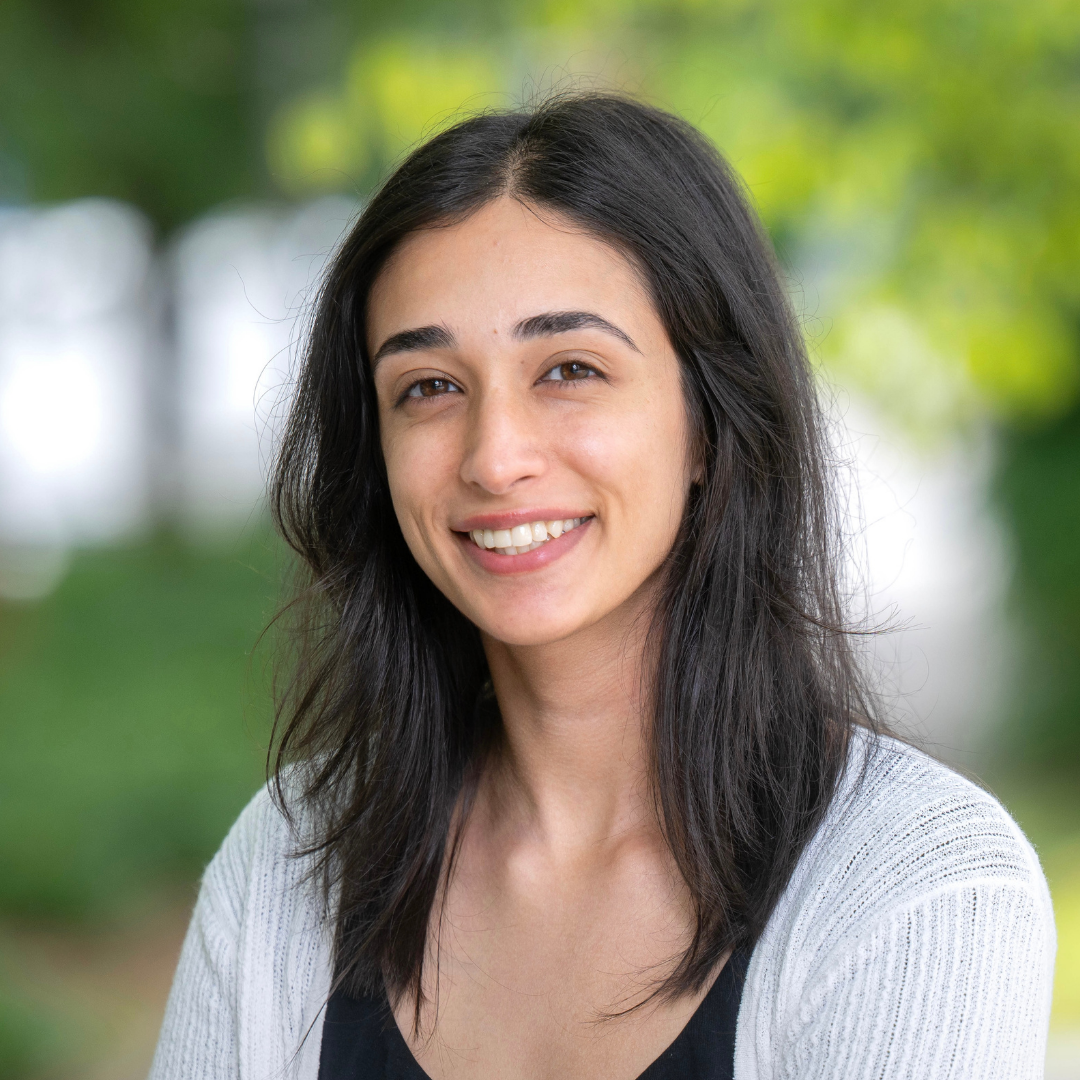
PROJECT TITLE: Mapping the Gaps: Using Machine Learning to Identify Inequities in Primary Care Access and Chronic Disease Burden in British Columbia, Canada
Amrit is a PhD student in the Urban Predictive Analytics Lab at the University of British Columbia and a Research Assistant in the Stephens School of Family Medicine at Simon Fraser University. Her research focuses on improving access to primary care services through spatial analysis, machine learning, deep learning, and transportation modelling. Her work combines physician, population, health, and transportation data to identify gaps in primary care and inform more equitable service planning across Canada.
David-Dan Nguyen

PROJECT TITLE: Enhancing equity and mitigating overdiagnosis of prostate cancer through the development and evaluation of machine learning-driven organized prostate cancer screening policies
David-Dan is a urology resident at the University of Toronto in the Surgeon-Scientist and Clinician-Investigator Programs. A CIHR Vanier Scholar, he is pursuing a PhD in Clinical Epidemiology and Health Care Research at the Institute of Health Policy, Management, and Evaluation under Drs. Laura Rosella and Girish Kulkarni. His doctoral research applies population-based machine learning to advance equitable prostate cancer health policies. He holds an MDCM from McGill University and an MPH from the Harvard T.H. Chan School of Public Health.
Fatemeh Bagheri
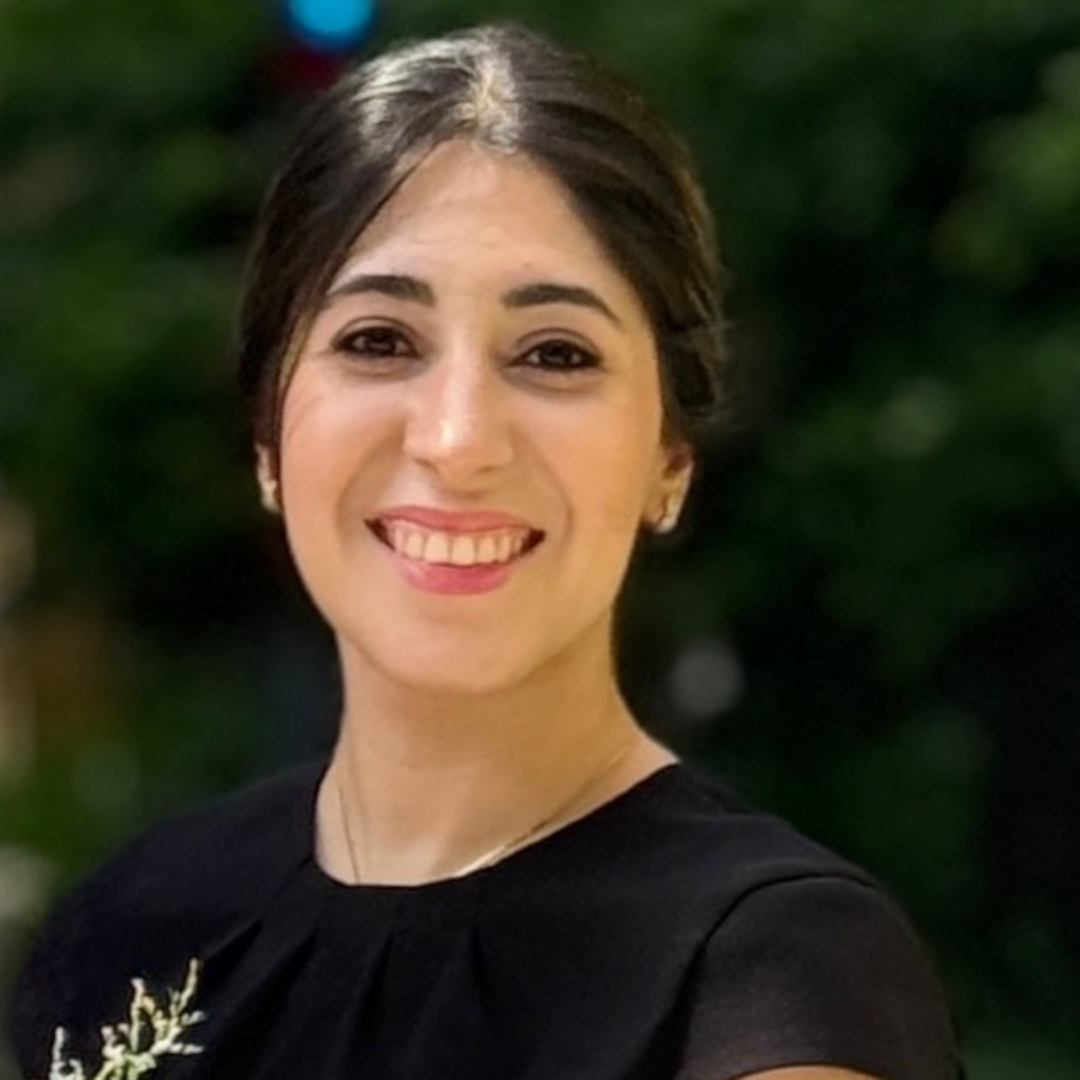
PROJECT TITLE: AI-Assisted Personalized Referral Planning Using Electronic Health Records for Youth Mental Health Emergency Department Care
Fatemeh Bagheri is a PhD candidate in Electrical and Computer Engineering at the University of Toronto and a Graduate Researcher at North York General Hospital. Her research focuses on developing artificial intelligence and machine learning methods for healthcare, with expertise in (biomedical) signal processing, (medical) image processing, natural language processing, and multimodal data analysis. Her work aims to support clinical decision-making, improve diagnosis, and advance personalized healthcare.
Felix Koranteng
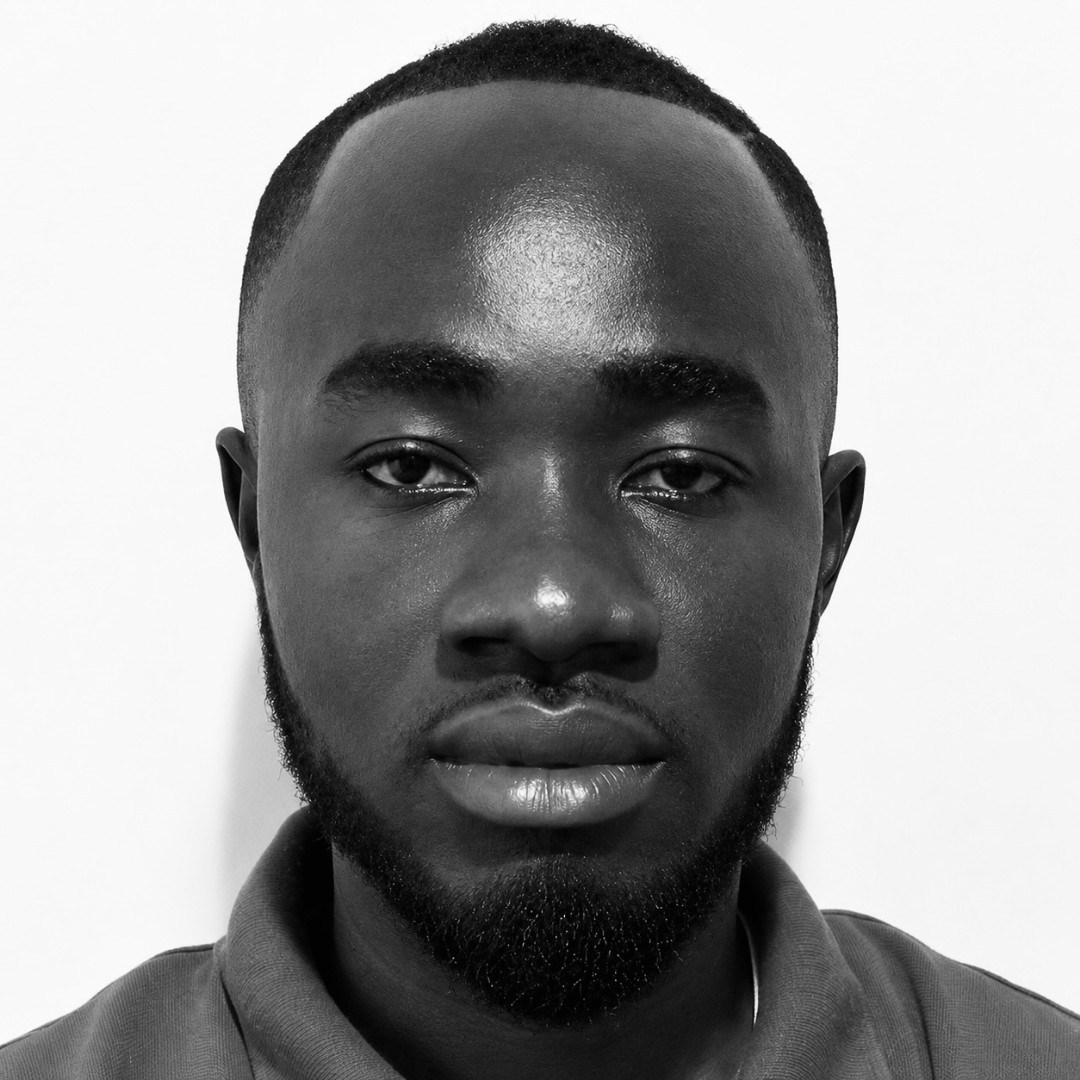
PROJECT TITLE: Co-Designing an Explainable AI-Enabled Public Health Platform to Support Healthy Aging and Health Equity Among Black Older Adults.
Felix Nti Koranteng is a Connected Minds Postdoctoral Fellow at York University. His research focuses on digital health, persuasive technologies, human-computer interaction, and responsible AI. His work explores the co-design of culturally responsive digital health technologies with underserved populations, particularly Black older adults. He is currently developing BiRAVE, an explainable AI-powered platform designed to support healthy aging, identify unmet needs, and improve access to relevant health and community services.
Guan Wang
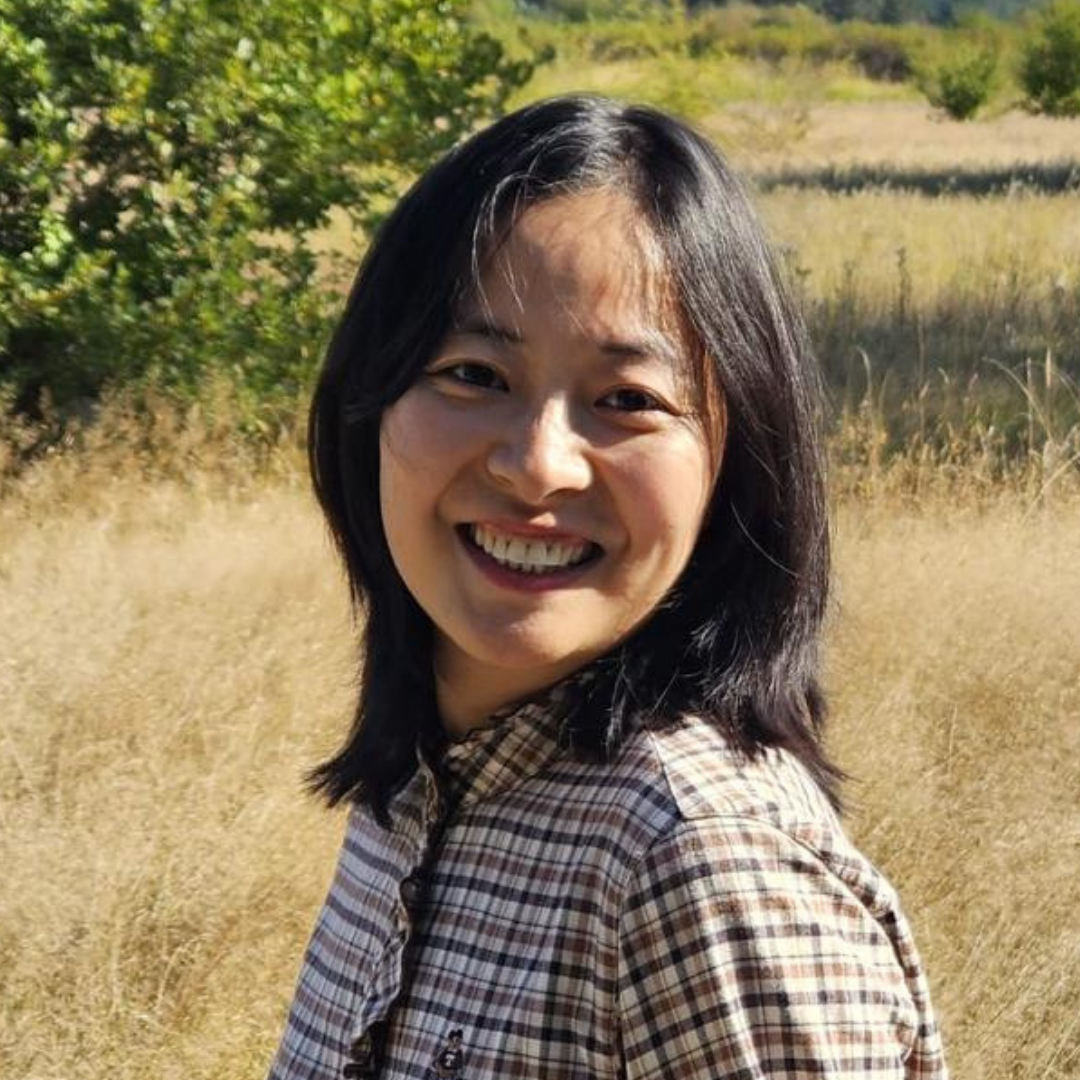
PROJECT TITLE: AI-Enabled Early Warning and Transition Pathway Modelling for Homelessness Service Planning in Toronto
Guan has interdisciplinary training in medicine and health economics, which has shaped her interest in integrating theory and data on healthcare research. With compassion in her heart and the mindset of an economist on maximizing utility under real-world constraints, she is particularly interested in applying artificial intelligence and machine learning to health data to support personalized care, resource allocation and health equity. Her research focuses on how AI-driven approaches can help identify risk, inform decision-making, and improve continum-of-care for homeless groups. She believes that technological innovation in healthcare should not only advance efficiency, but also ensure that its benefits reach the people who need them most. Outside of research, she also enjoys hiking, exploring nature, and spending time with kittens.
Ijeoma Itanyi
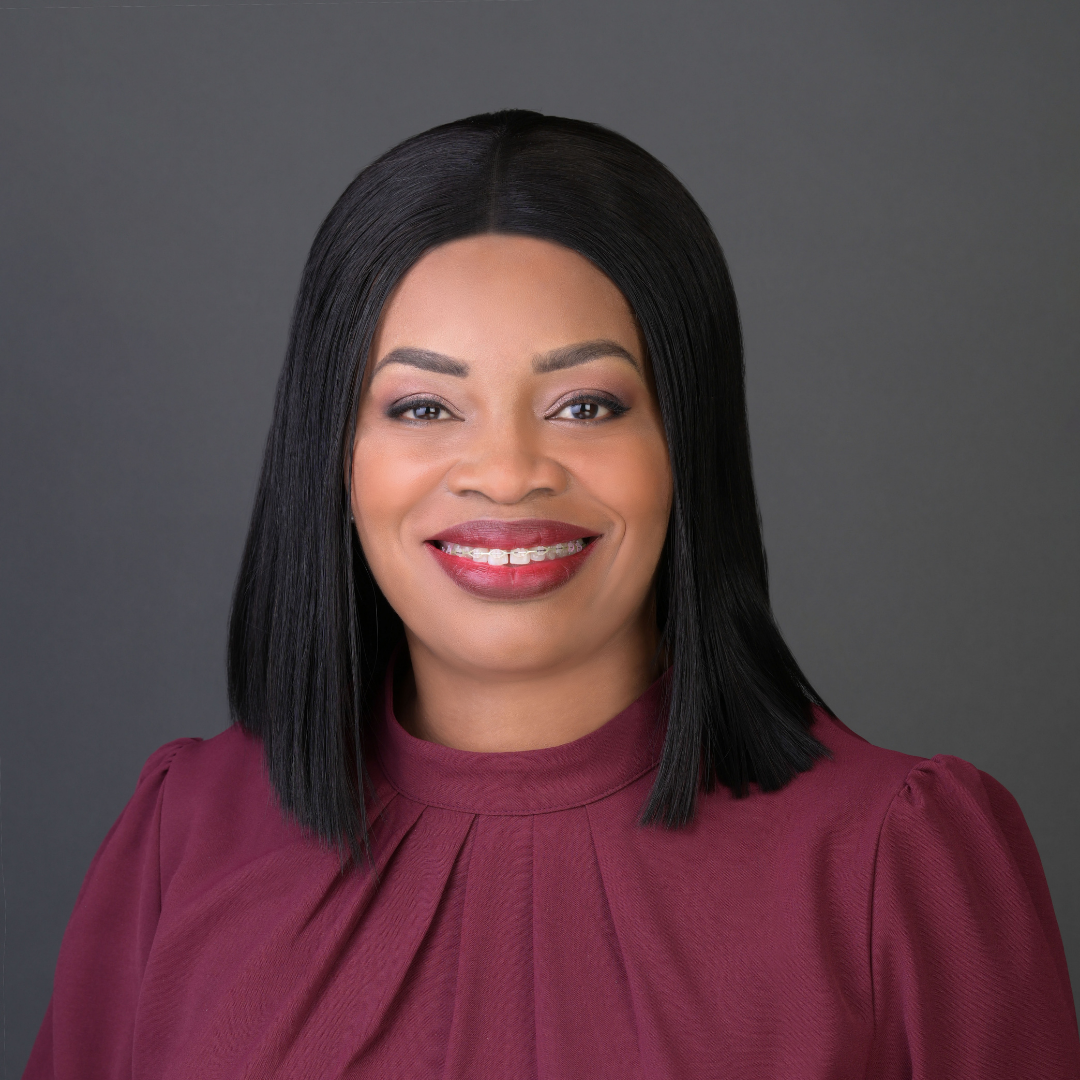
PROJECT TITLE: Advanced data science methods to examine trends and predict risk of multimorbidity in individuals with asthma
Ijeoma Itanyi is a preventive medicine physician, epidemiologist, and implementation scientist, and currently a Ph.D. Candidate in Epidemiology at the Dalla Lana School of Public Health, University of Toronto. With extensive experience leading large-scale research projects in resource-limited settings, she applies her expertise to the prevention of non-communicable diseases and the use of digital tools to support their management. Her current research leverages machine learning to predict multimorbidity in adults with asthma, with the goal of improving early risk detection and informing scalable preventive interventions.
Jillian Stringer

PROJECT TITLE: Youth in the Loop: Co-Creating Mental Health Impact Assessment and Health-by-Design Frameworks for Equitable AI in Canada
Jill is a post-doctoral researcher at the University of Guelph and a Digital Policy Hub Fellow with the Centre for International Governance Innovation in Waterloo, Ontario. She is a multi-method researcher focusing on youth mental health with more than a decade of experience working in the national health non-profit sector. Her current work explores participatory and rights-based approaches to AI and digital governance, aiming to create tools to measure wellbeing impacts of curation algorithms and social media design.
Konrad Samsel

PROJECT TITLE: Developing a Global Consensus-Based Framework to Classify and Monitor AI-Related Harms in Health Systems
Konrad is a Project Manager and PhD Student at the UofT Institute of Health Policy, Management and Evaluation, focusing on the evaluation and governance of health technologies. He is a Trainee Affiliate at the Temerty Centre for AI in Medicine and guest lectures for four graduate & continuing education programs at UofT, including the AMS-Fitzgerald Program in AI & Human-Centered Leadership. He works closely with health system leaders and has overseen nine quality improvement and patient safety projects in Ontario.
Mugove Manjengwa
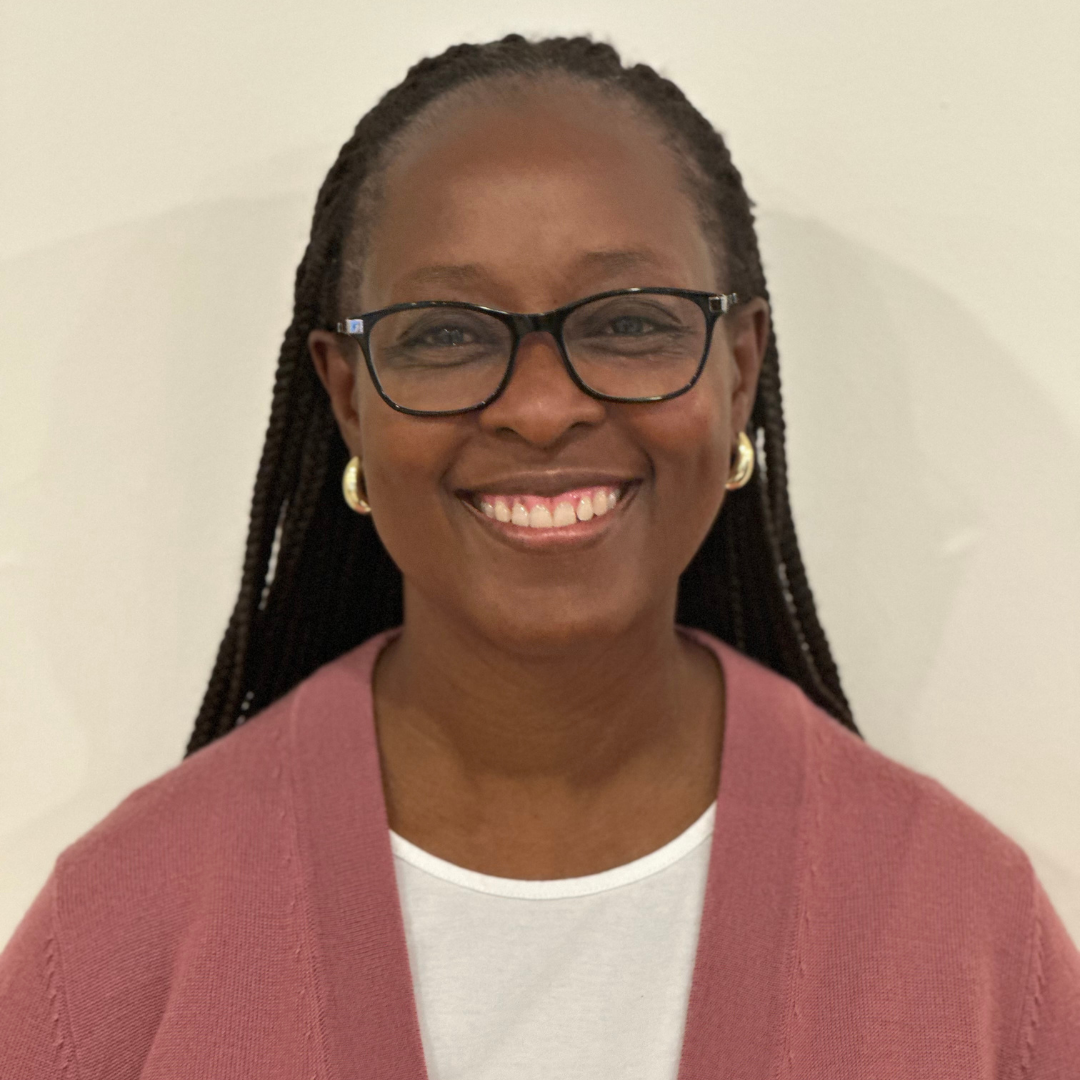
PROJECT TITLE: Methods and Best Practices for Engaging Diverse Communities in the Adoption and Implementation of AI Tools in Public Health: A Scoping Review
Mugove Manjengwa is a third-year Doctor of Public Health (DrPH) student at the University of Toronto. Her doctoral research focuses on meaningful community engagement in the adoption and implementation of AI-enabled tools in public health. Her thesis will examine approaches and strategies for engaging communities in the use of AI within public health systems. Mugove is interested in advancing inclusive and meaningful public engagement to support the responsible adoption of AI in public health.
Omidreza Sadrmanesh
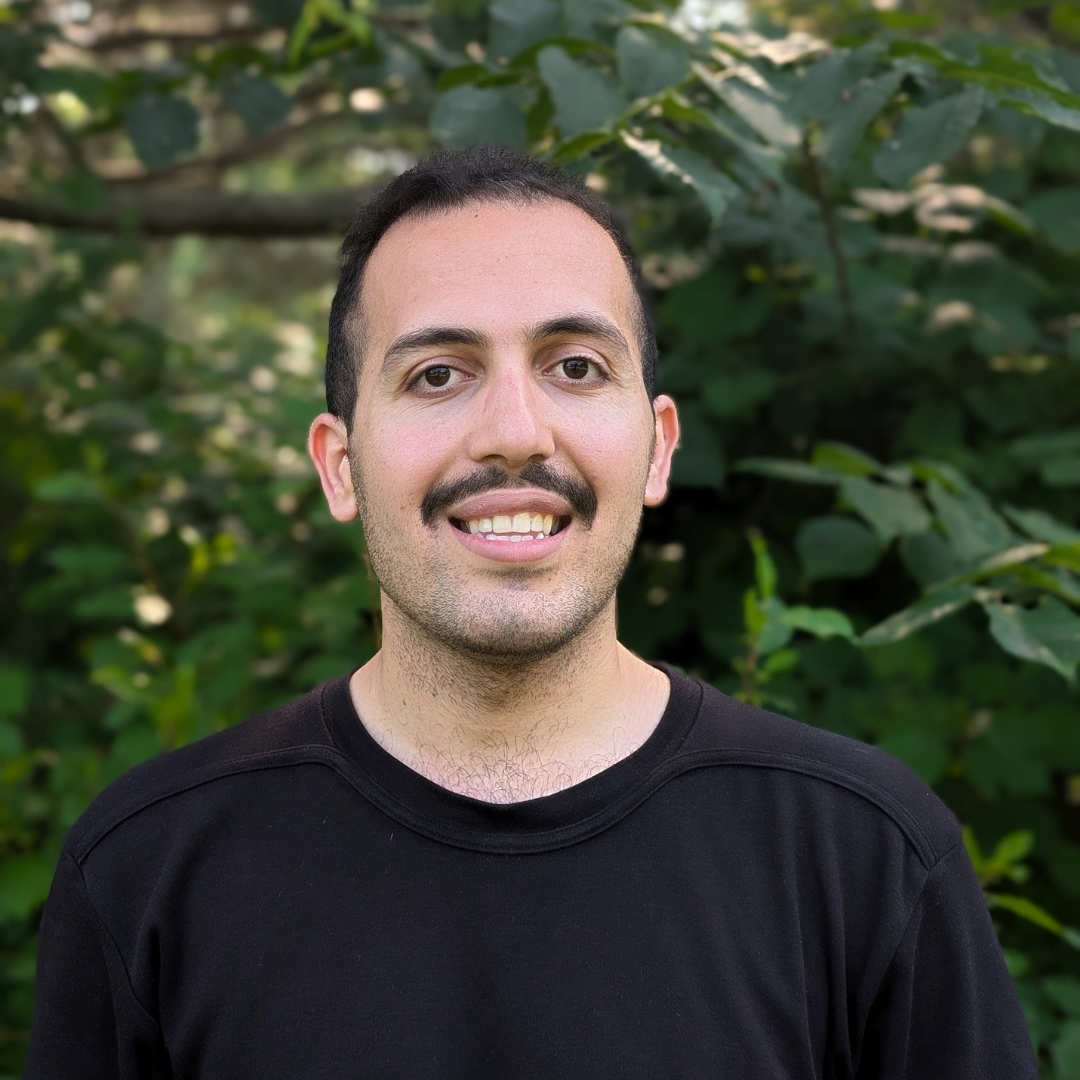
PROJECT TITLE: Traffic Volume Estimation for Road Safety Research: Closing the Exposure Data Gap in Injury Epidemiology
Omid Sadrmanesh is a PhD student in Epidemiology at the University of Toronto. His research focuses on road safety, evaluating traffic volume data and safety interventions to make roads safer and more equitable for vulnerable road users, including pedestrians and cyclists. He is particularly interested in combining causal inference with machine learning to enable more rigorous evaluations of road safety initiatives.
Lola Oyefeso
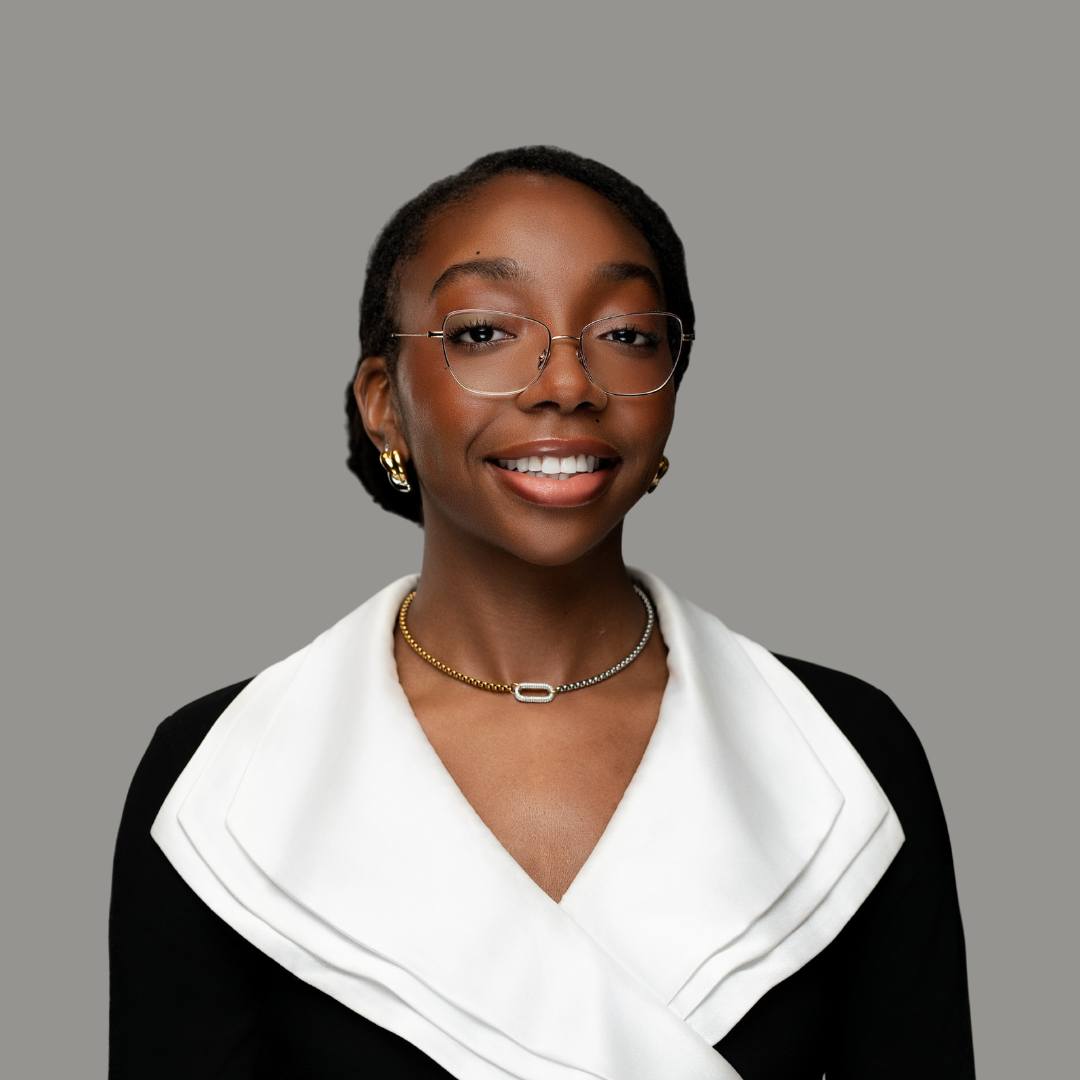
PROJECT TITLE: From Accuracy to Accountability: Evaluating Clinical AI Across Performance, Equity, and Environmental Sustainability
Lola Oyefeso is an MSc candidate at the University of Toronto Institute of Medical Science researching the intersection of artificial intelligence, digital health, health equity, and sustainability. Her work examines how emerging health technologies can be responsibly evaluated and implemented within clinical systems, with particular attention to health data poverty and underserved populations. She is passionate about building equitable research and innovation systems that ensure technological advancement translates into meaningful improvements in health.
Supun Manathunga

PROJECT TITLE: Adaptive Bayesian Learning for Efficient and Equitable Disease Surveillance
Supun Manathunga is a PhD student in Experimental Medicine at McGill University and a medical doctor with a background in public health. Supun’s research focuses on adaptive sampling and decision-making for infectious disease surveillance, combining Bayesian methods, mathematical modelling, and artificial intelligence. Supun is particularly interested in developing data-efficient approaches that improve how public health data are collected, analyzed, and used for decision-making.
2025-2026
Batool AlMousawi
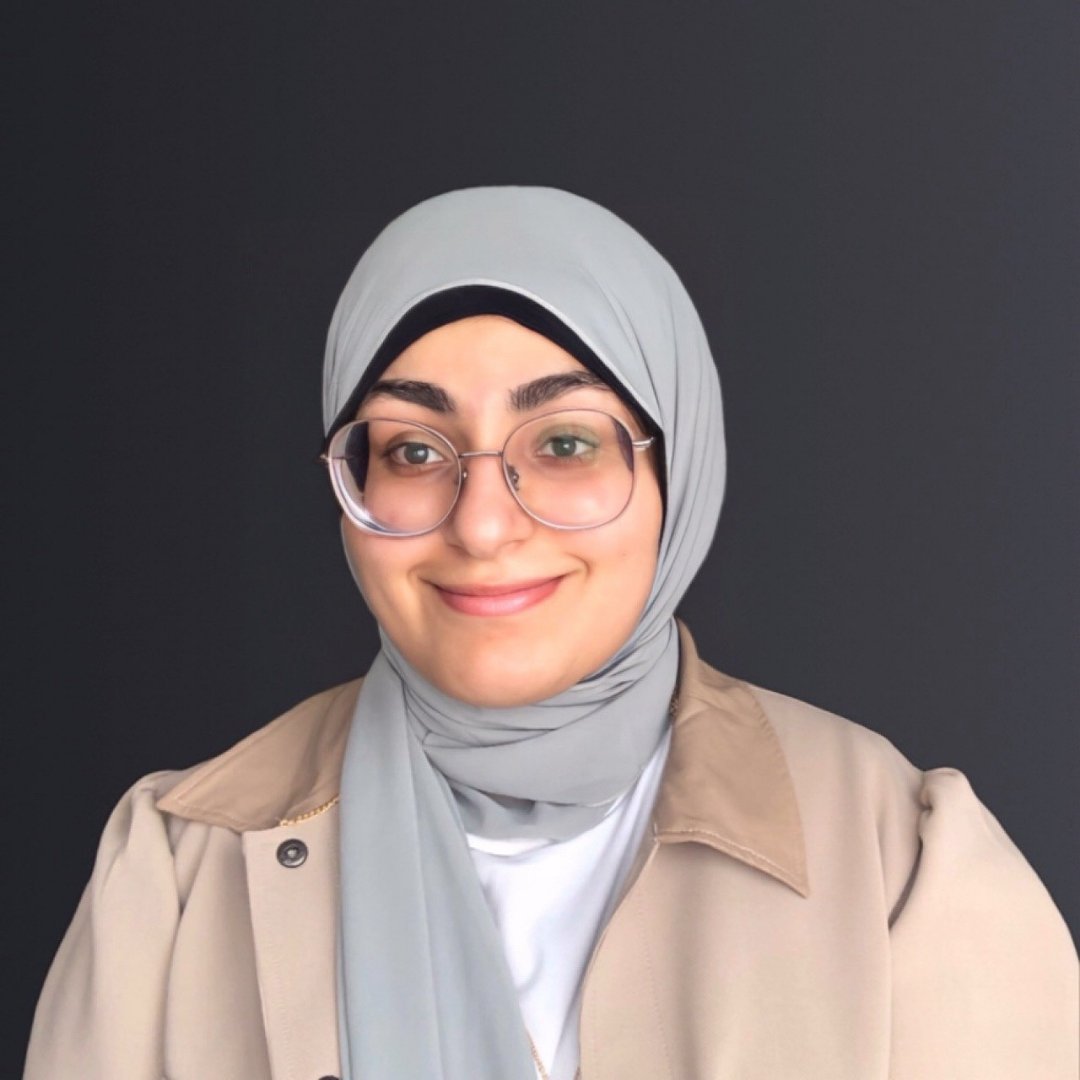
PROJECT TITLE: Assessing Community Engagement Practices in the Development of AI Artifacts: A Participatory Ethnography
Batool M. AlMousawi is a Master’s student at the University of Toronto’s Institute of Health Policy, Management, and Evaluation, specializing in Artificial Intelligence in Health Systems Research. Her work focuses on co-developing human-centered AI artifacts that promote health equity in urban environments. Batool is passionate about designing responsible health innovations that improve healthcare, and centers her work on individuals at the intersections of systems of oppression. Beyond academia, Batool enjoys scrapbooking and exploring the Canadian Rockies.
Massoud Amini
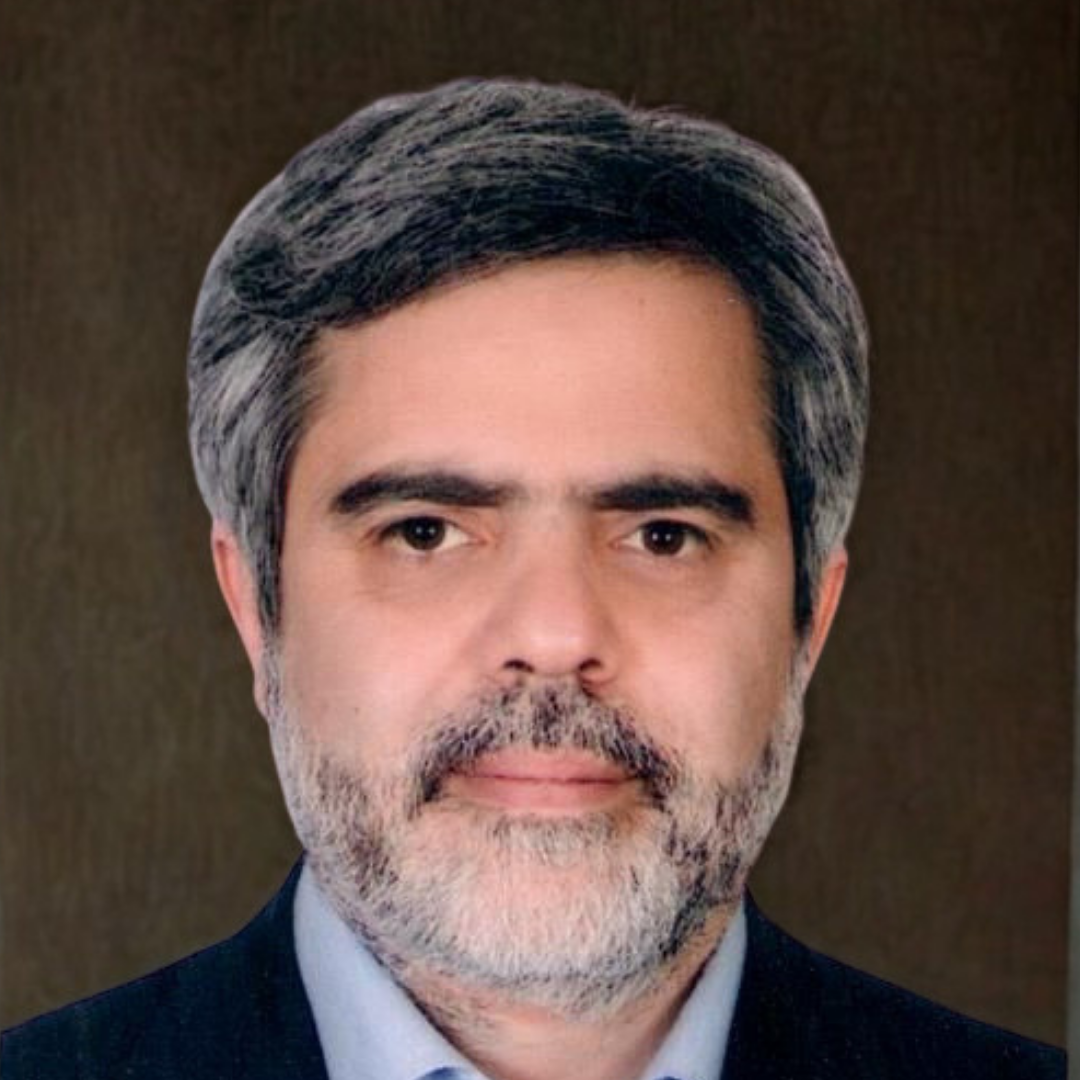
PROJECT TITLE: A Protocol for Data Fusion of Administrative Health Data Archives in Population Health Surveys: Statistical Imputation versus Machine Learning and Deep Learning Methods for Fusing Measured Hearing Data (CLSA) to Self-Reported Hearing Data (CCHS)
I have PhD in Mathematics from University of Illinois at Urbana and currently doing my second PhD in Biochemistry-Bioinformatics at uOttawa. My research is on simulation modelling of public health studies. My expertise include mathematical modelling, statistical data science, machine and deep learning, advanced methods of missing data imputation, measurement error correction, calibration, causal inference, and uncertainty propagation and control.
Bernard Asante
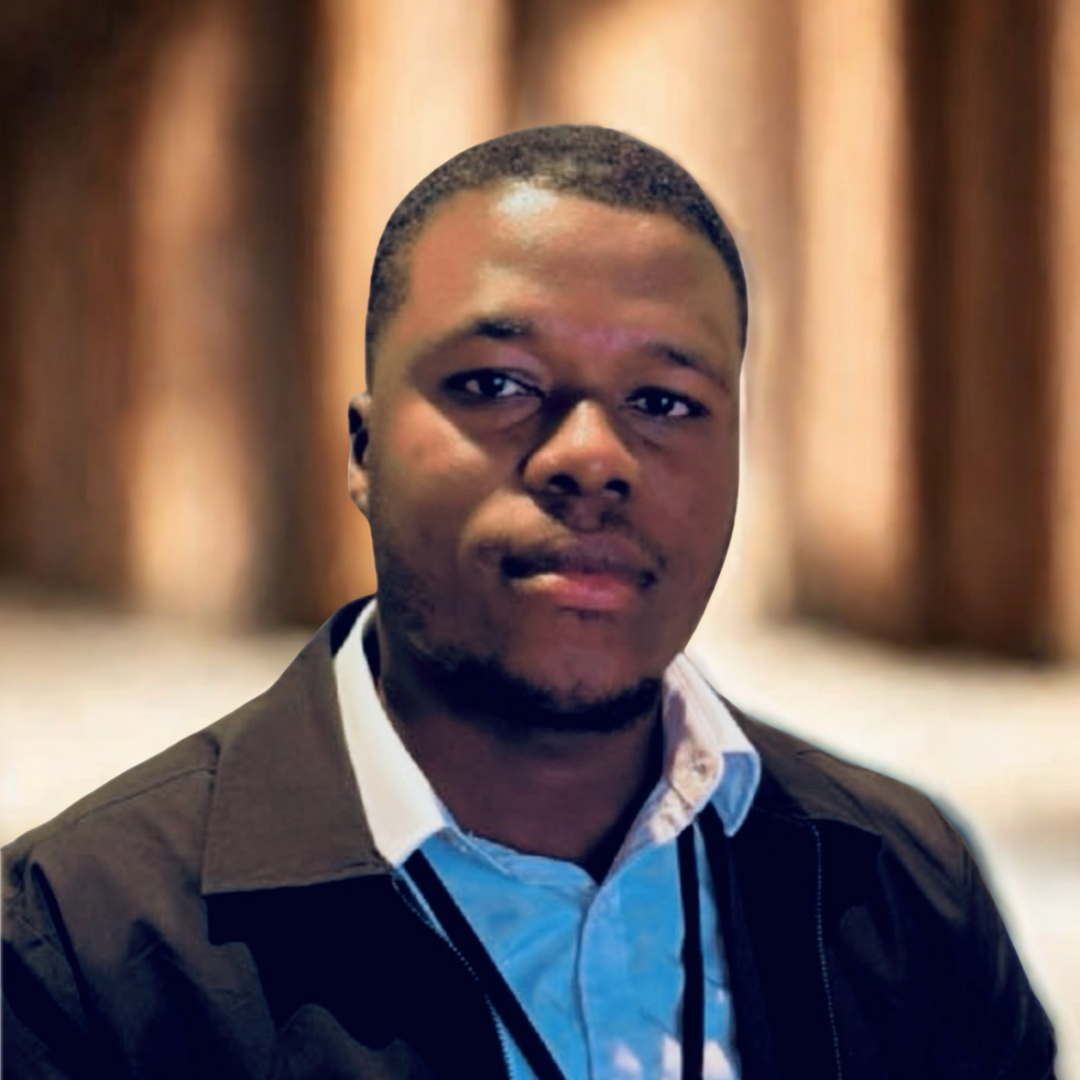
PROJECT TITLE: Leveraging Machine Learning to Restore Missing Biosignal Data in Smartphone-Based Physical Activity Monitoring
Bernard is pursuing a Master of Science in the Department of Community Health and Epidemiology at the University of Saskatchewan, with a focus on Data Science and Advanced Epidemiology. He has a background in medical and health sciences and is passionate about applying artificial intelligence (AI), epidemiological principles, and digital health technologies to improve population health outcomes and strengthen public health surveillance. His research interests include predictive analytics and modeling, machine learning-enhanced remote health monitoring for health equity, and clinical decision support systems.
Léo Cadillac

PROJECT TITLE: Study on the implementation and the regulation of Digital Therapeutics (DTx) in the Canadian health care system regarding health equity.
Léo is a second-year PhD student in Health Sciences at Simon Fraser University. His research focuses on improving the integration of artificial intelligence systems into medical workflows using a lifecycle approach. He examines how biases, including ethical, legal, and social implications (ELSI), can create cascading effects across different stages of the AI lifecycle. Léo is also a member of the NIH Common Fund’s Bridge to Artificial Intelligence – Voice as a Biomarker of Health (Bridge2AI) program, which aims to develop a large-scale, diverse, and ethically sourced voice database linked to other health biomarkers to support disease diagnosis.
Ghislain d’Entremont

PROJECT TITLE: Evaluation of AI tools for critical appraisal of randomized controlled trials in evidence syntheses.
I am evaluating the ability of AI to assess the quality of scientific studies of healthcare treatments to better inform health researchers and healthcare practitioners. I have over a decade of experience stewarding and analyzing human data across the fields of Neuroscience, Cognitive Psychology, Kinesiology, and National Security. I will leverage this multidisciplinary background, along with my technical skills (R, Python, applied statistics) to rigorously evaluate the implementation of AI in the evidence synthesis process.
Abdou Fofana
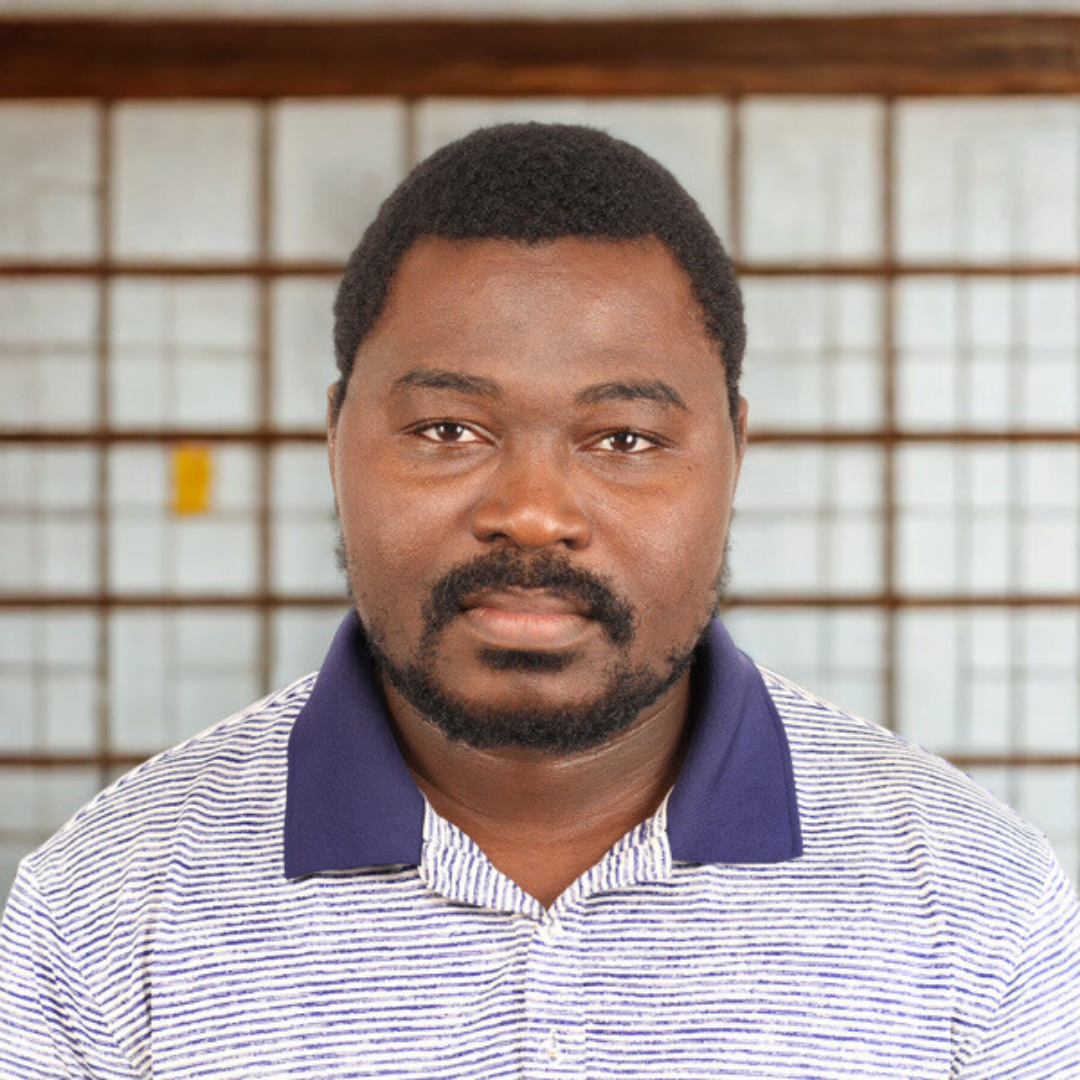
PROJECT TITLE: Building the Foundations of AI-Driven Health Resilience in Africa: A Framework for Data Integration, Standardization, and Quality
Abdou Fofana is a Postdoctoral Fellow at Memorial University specializing in infectious disease modeling. Abdou’s research includes spatial models of disease spread, the evolution of pathogen virulence, and tuberculosis modeling. As an AI4PH Scholar, Abdou is developing a framework to integrate and standardize African health data, laying the foundations for AI-driven health resilience. Abdou’s work aims to strengthen pandemic preparedness by improving data quality, interoperability, and access to advanced analytical tools.
Ijeoma Itanyi
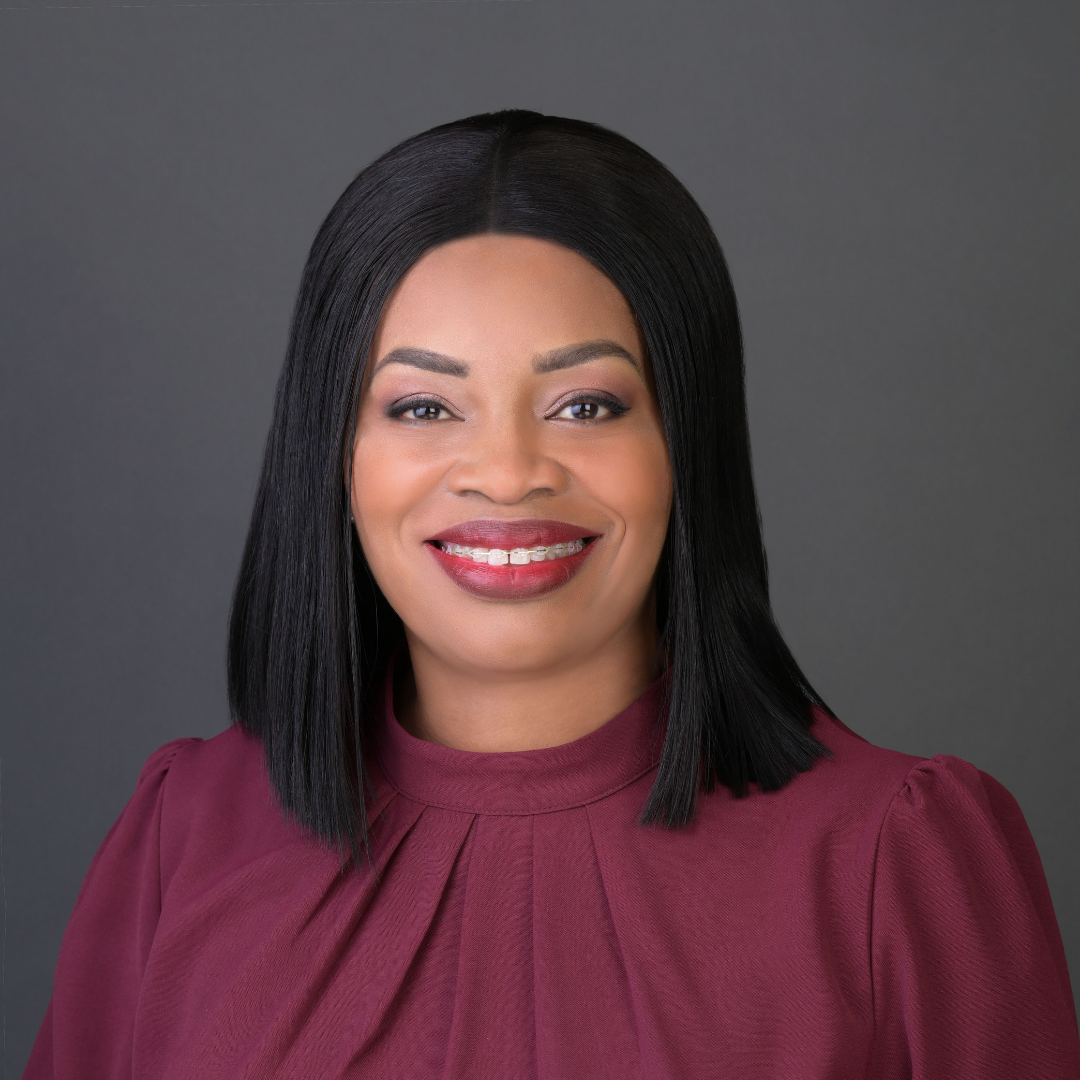
PROJECT TITLE: Advanced data science methods to examine trends and predict risk of multimorbidity in individuals with asthma
Ijeoma is a preventive medicine physician, epidemiologist, and implementation scientist, and currently a Ph.D. Candidate in Epidemiology at the Dalla Lana School of Public Health, University of Toronto. With extensive experience leading large-scale research projects in resource-limited settings, she applies her expertise to the prevention of non-communicable diseases and the use of digital tools to support their management. Her current research leverages machine learning to predict multimorbidity in adults with asthma, with the goal of improving early risk detection and informing scalable interventions.
Hassan Maleki Golandouz
PROJECT TITLE: Enhancing Osteoarthritis Predictive Models: Developing and Validating Deep Learning Techniques for Anomaly Detection and Synthetic Data Generation in Administrative Health Datasets
Hassan is a PhD candidate in Community Health Sciences at the University of Manitoba, affiliated with the Manitoba Centre for Health Policy and the George & Fay Yee Centre for Healthcare Innovation. His research focuses on generating realistic synthetic data from administrative health data using generative AI and statistical methods to create equitable risk prediction models across population sub-groups. With a background in Computer Engineering and AI, Hassan has over five years of research and work experience in data mining and natural language processing.
Mugove Manjengwa

PROJECT TITLE: Methods and Best Practices for Engaging Diverse Communities in the Adoption and Implementation of AI Tools in Public Health: A Scoping Review
Mugove Manjengwa is a 2nd-year DrPH student at the University of Toronto. She holds a BSc in Nursing from Dalhousie University and a Master’s in Nursing Administration/Population Health from Xavier University. She has over 20 years of experience in acute care, government, and primary care, and currently works as a Project Manager in public health policy with Alberta’s provincial government. Her research focuses on community engagement with marginalized populations in the adoption of AI tools in public health.
Barret Monchka
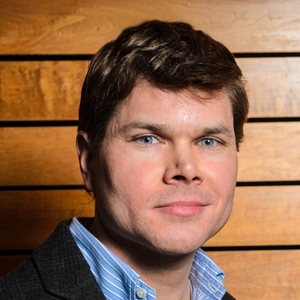
PROJECT TITLE: Optimizing and automating the probabilistic linkage of large-scale administrative health and social data to enhance the equity, diversity, and inclusion of study participants in linked data analyses, and protect data privacy
Barret Monchka is currently pursuing a PhD in Community Health Sciences at the University of Manitoba, where his research focuses on enhancing the quality of linked administrative data. Barret also serves as a data analyst at the George & Fay Yee Centre for Healthcare Innovation where his research activities include automating and optimizing probabilistic record linkage, employing deep learning techniques for medical image interpretation, and efficiently annotating large sets of images collected by longitudinal health studies. Barret’s interests in artificial intelligence are centered on model validation, strategies for training fair and unbiased models, and enhancing external generalizability. He holds a Bachelor of Computer Science and an MSc in Community Health Sciences, both from the University of Manitoba.
David-Dan Nguyen

PROJECT TITLE: Enhancing equity and mitigating overdiagnosis of prostate cancer through the development and evaluation of machine learning-driven organized prostate cancer screening policies
David-Dan is a urology resident at the University of Toronto in the Surgeon-Scientist and Clinician-Investigator Programs. A CIHR Vanier Scholar, he is pursuing a PhD in Clinical Epidemiology and Health Care Research at the Institute of Health Policy, Management, and Evaluation under Drs. Laura Rosella and Girish Kulkarni. His doctoral research applies population-based machine learning to advance equitable prostate cancer health policies. He holds an MDCM from McGill University and an MPH from the Harvard T.H. Chan School of Public Health.
Lotenna Olisaeloka

PROJECT TITLE: Informing Responsible AI for Student Mental Health: Exploring Real-World Use and Impact of Generative Chatbots to Guide Ethical Tool Development
Lotenna is a medical doctor and health researcher specializing in digital mental health and artificial intelligence (AI). He obtained a Masters in Global Health with Distinction from University College London, where he developed expertise in global mental health and mixed-methods research. As a Ph.D. candidate at the University of British Columbia Faculty of Medicine, he conducts research on the effectiveness, user experience, and safety of AI-based mental health chatbots.
Gemma Postill

PROJECT TITLE: Aging in Place for Older Adults after Traumatic Injury in Ontario, Canada
Gemma Postill is an MD/PhD student at UofT under the co-supervision of Dr. Laura Rosella and Dr. Barbara Haas. Her thesis focuses on using machine learning to anticipate the long-term outcomes of older adults after traumatic injury. Gemma completed her undergraduate at Western University in One Health, which inspired her to become a clinician-scientist by highlighting the intersection of research and medicine as well as the need to take a systems-level approach to healthcare given the many factors that influence health. Gemma is also the student education co-lead with Temerty Center for Artificial Intelligence Research and Education in Medicine (T-CAIREM).
Marjan Rajabi

PROJECT TITLE: Federated Learning to Examine Environmental and Social Determinants of Mental Health and Their Impact on Educational Aspirations among Indigenous Youth.
I’m Dr. Marjan Rajabi, a Postdoctoral Researcher at Toronto Metropolitan University with a Ph.D. in Statistics and over a decade of experience in teaching, research, and data-driven problem solving. My expertise spans statistical modeling, machine learning, AI, and federated learning, with applications in health data and industrial analytics. I have a strong track record of publishing, presenting at conferences, and leading collaborative projects. I’m passionate about transforming data into actionable insights and building innovative solutions that have measurable real-world impact.
Wing Lam Tock

PROJECT TITLE: Leveraging Advanced Data Analysis Algorithms to Uncover Social Determinants of Ideal Cardiovascular Health Trajectories in At-Risk Populations Using Administrative Data Linked to Longitudinal Cohort Data
Wing Lam (Jessica) is a postdoctoral fellow at the Department of Social and Preventive Medicine, School of Public Health of the University of Montréal, under the supervision of Dr. Lise Gauvin. She received her PhD in Psychosocial-Oncology Nursing from McGill University in 2024. Her research examines how lifestyle behaviors, socioeconomic factors, and neighborhood environments shape long-term health outcomes in young adults, adolescents, and children. Currently, she conducts longitudinal analyses of population cohorts using linked administrative data, integrating AI and machine-learning methods to improve inference and equity.
2024-2025
Sean Feng
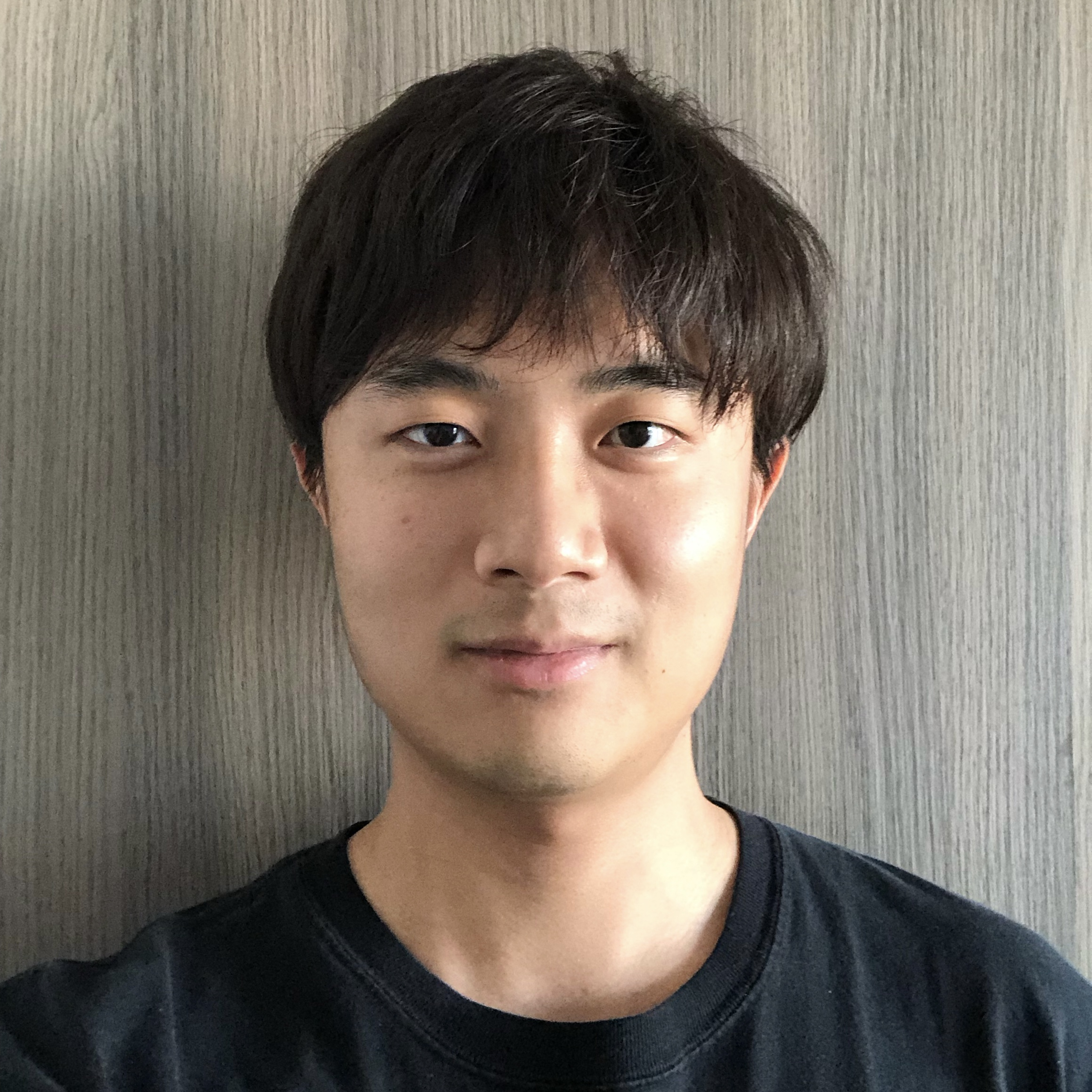
PROJECT TITLE: Dynamic Prediction Models for Tooth Loss Incorporating Logitudinal Tooth-level Predictors
Xinyang is a PhD student in Biostatistics at the Dalla Lana School of Public Health, University of Toronto. His research interests focus on the development of dynamic prediction model that fully incorporates changes in the longitudinal predictors, with the ability to account for within-cluster correlation in complex multilevel data.
Pablo Galvez Hernandez

PROJECT TITLE: Optimizing Interprofessional Primary Care Team Configurations in Ontario: Using Administrative Data and Machine Learning to Predict Optimal Team Configurations for Different Patient Panels
Pablo is a Postdoctoral Fellow at the Institute of Health Policy, Management and Evaluation (IHPME) at the University of Toronto, working with Dr. Walter Wodchis. His research examines the impact of diverse interprofessional primary care team configurations on outcomes across various patient panel populations. Using machine learning techniques, Pablo aims to untangle complex high-dimensional data involved in interactions between primary care teams and populations. Ultimately, he aims to identify effective team configurations while identifying inequities in care access and improvement of health outcomes.
Ingrid Giesinger
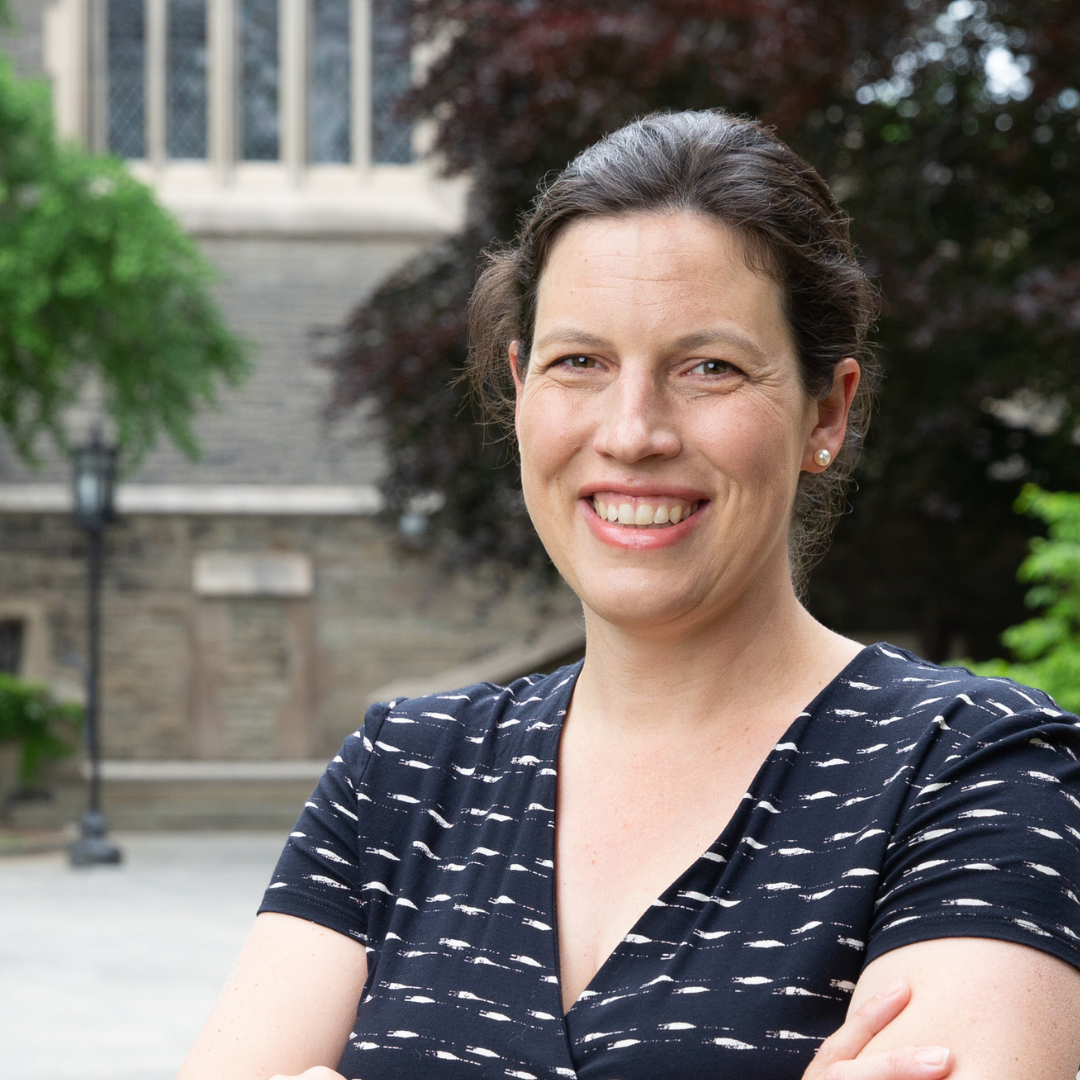 PROJECT TITLE: Addressing the single-risk factor framework through machine learning: applications in multimorbidity
Ingrid is a doctoral candidate in Epidemiology at the Dalla Lana School of Public Health at the University of Toronto. Ingrid has extensive experience as a statistician with the British Civil Service, and as a research scientist with the World Trade Center Health Registry in New York City. She holds a BSc in Natural Science from the University of Calgary, a BEd from the University of Toronto and a MSc in Health & Society: Social Epidemiology from the University College London. Through her PhD research, Ingrid will utilise machine learning methods to develop a theoretically informed social risk measure, and evaluate the effect of social risk clustering on multimorbidity in Ontario.
Omid Jafarinezhad
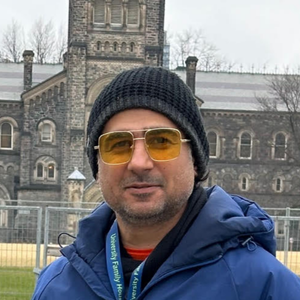
PROJECT TITLE: HiveBridge: Fostering Collaborative AI Model Training Using a Low-Code Platform
Omid is a PhD student in Health Informatics at the University of Toronto, with over two decades of experience in software engineering. He is currently focused on leveraging AI and ML to enhance healthcare through patient-level data collaboration while ensuring robust privacy protections. He has led innovative startups and projects and is now working on an open-source platform democratizing AI development in healthcare. His research includes analyzing the dynamics of data sharing in the Canadian AI landscape, aiming to enhance collaboration and innovation across the field. Omid is passionate about applying cutting-edge technologies to solve real-world challenges.
Kamyar Kazari
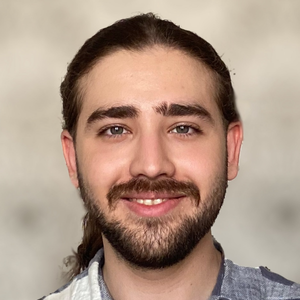
PROJECT TITLE: Exploring AI-Powered Digital Decoding of Unhealthy Online Gaming and Gambling
Kamyar recently completed his B.Sc. in Computer Engineering at Sharif University of Technology and will be pursuing a Master’s in Health Systems Research with a focus on Artificial Intelligence at the University of Toronto this Fall. He is deeply passionate about Deep Learning and its transformative applications, particularly in Public Health. Kamyar’s current research focuses on leveraging AI to detect unhealthy gambling behavior and analyze the marketing strategies employed by gambling companies. His work aims to make a significant impact in the intersection of technology and health, driving forward innovations that can benefit society.
Steve Lee
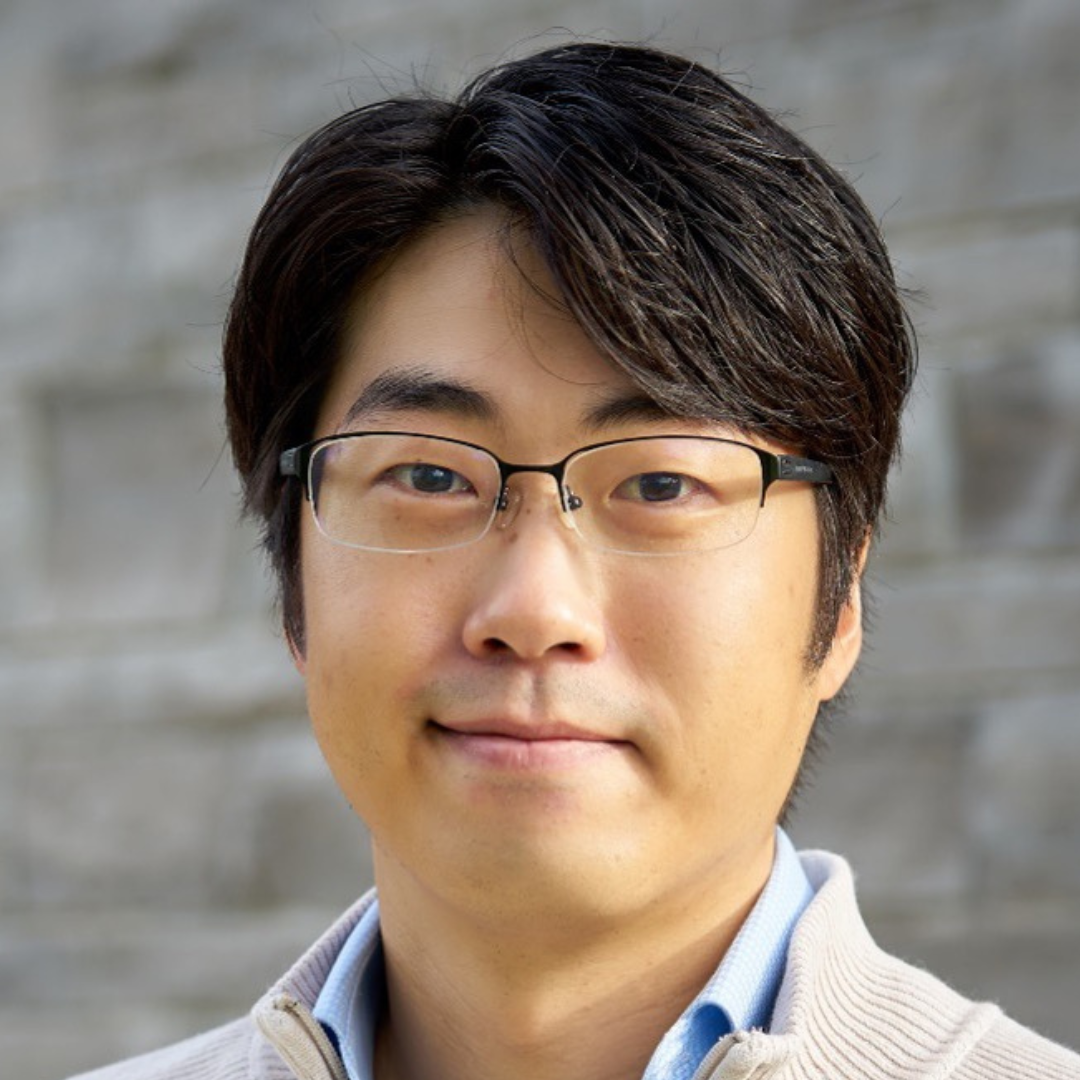
PROJECT TITLE: Applications of Novel Statistical and Machine Learning Methods for the Descriptive Epidemiology of Hidden Populations in Mental Health Research
Steve H. Lee is a PhD candidate in Epidemiology and Biostatistics at Western University. He also holds a Master of Science in Epidemiology and Biostatistics also from Western University, and a Master of Arts in Quantitative Methods in Social Sciences with a concentration in Economics from Columbia University in the City of New York. He has a wide range of research interests including mental health services research, cluster analytic methods, Bayesian data analysis, social network analysis, natural language processing, and health economics. His current research involves the use of advanced descriptive techniques, such as social network analysis and clustering, and novel synthesis of data from both traditional and non-traditional data sources to better understand the mental health needs of the population. Outside of his academic endeavours, Steve is an avid musician serving as keyboardist of the cover band, Gravity Wagon, and as principal violist of the London Community Orchestra.
Mohammad Noaeen

PROJECT TITLE: Developing Personalized Lifestyle Recommendations for People at Risk of Developing Type 2 Diabetes Mellitus
Mohammad Noaeen is a Data Science Institute (DSI) Postdoctoral Research Fellow at the Dalla Lana School of Public Health, Institute of Health Policy, Management and Evaluation, University of Toronto. He received his PhD in Software Engineering from the University of Calgary, with expertise in AI, data science, system control and modeling, and optimization. Supported by DSI and AI4PH, his current research aims to enhance early diabetes detection and prevention by integrating multidimensional data through advanced data science methods, grounded in a well-articulated model of predictive, prescriptive, preventive, personalized, and participatory (P5) medicine. Mohammad’s research centers on health informatics, health data science, health equity, digital health, environmental health, and intelligent transportation systems.
Yu Shi

PROJECT TITLE: Enhancing Disease Risk Prediction through Cross-Cohorts Domain Adaptation Techniques and Longitudinal Data Integration
Yu Shi is a third-year PhD student in Biostatistics at the University of Toronto. Her research focuses on developing and applying advanced machine learning and statistical techniques to address challenges related to out-of-distribution data with their applications to health research.
Mike Zhu

PROJECT TITLE: FedWeight – Mitigate Covariate Shift of Federated Learning of EHR Data for Surveillance through Re-weighting
He Zhu is currently a PhD student at McGill University. He is deeply passionate about exploring electronic health records and single-cell genomic data, driven by his fervour for advancing data-driven healthcare solutions. His current research mainly focuses on mitigating the covariate shift challenges within healthcare-focused federated learning environments.
2023-2024
Jason Black

PROJECT TITLE: Investigating ensemble methods to improve risk estimates for chronic disease in Canadian primary care: an equity-based case study with diabetes complications prognostic prediction models
Jason is an epidemiology and biostatistics PhD student based at the Centre for Health Informatics at the University of Calgary. His research focuses on evaluating and improving prediction models using statistical and machine learning methods to advance their implementation in clinical care and decision-making. Jason is fascinated by the powerful insights that can be derived from health data and the methods used to unlock such impactful knowledge, including artificial intelligence. He holds a master’s degree in epidemiology and biostatistics from Western University and has worked extensively in analysing health care data from diverse settings, including the Canadian Institute for Health Information.
Esther Davies

PROJECT TITLE: A public health solution to inequitable (in)fertility care: Exploring the opportunities and ethical considerations of using AI technology (in)fertility care
Esther is a second year PhD student in Social and Behavioural Health Sciences at the Dalla Lana School of Public Health, University of Toronto. She completed a master’s in Health Science (Bioethics) at the University of Toronto and an Honours bachelor’s in Health Science (specialization) at Western University as a Western Scholar. Esther’s research interests lie at the intersection of women’s health, innovative technologies, and bioethics. As part of her doctoral research, Esther will be exploring the ethical considerations in the use and design of AI-enabled digital and reproductive technologies in (in)fertility care.
Zoha Khawaja
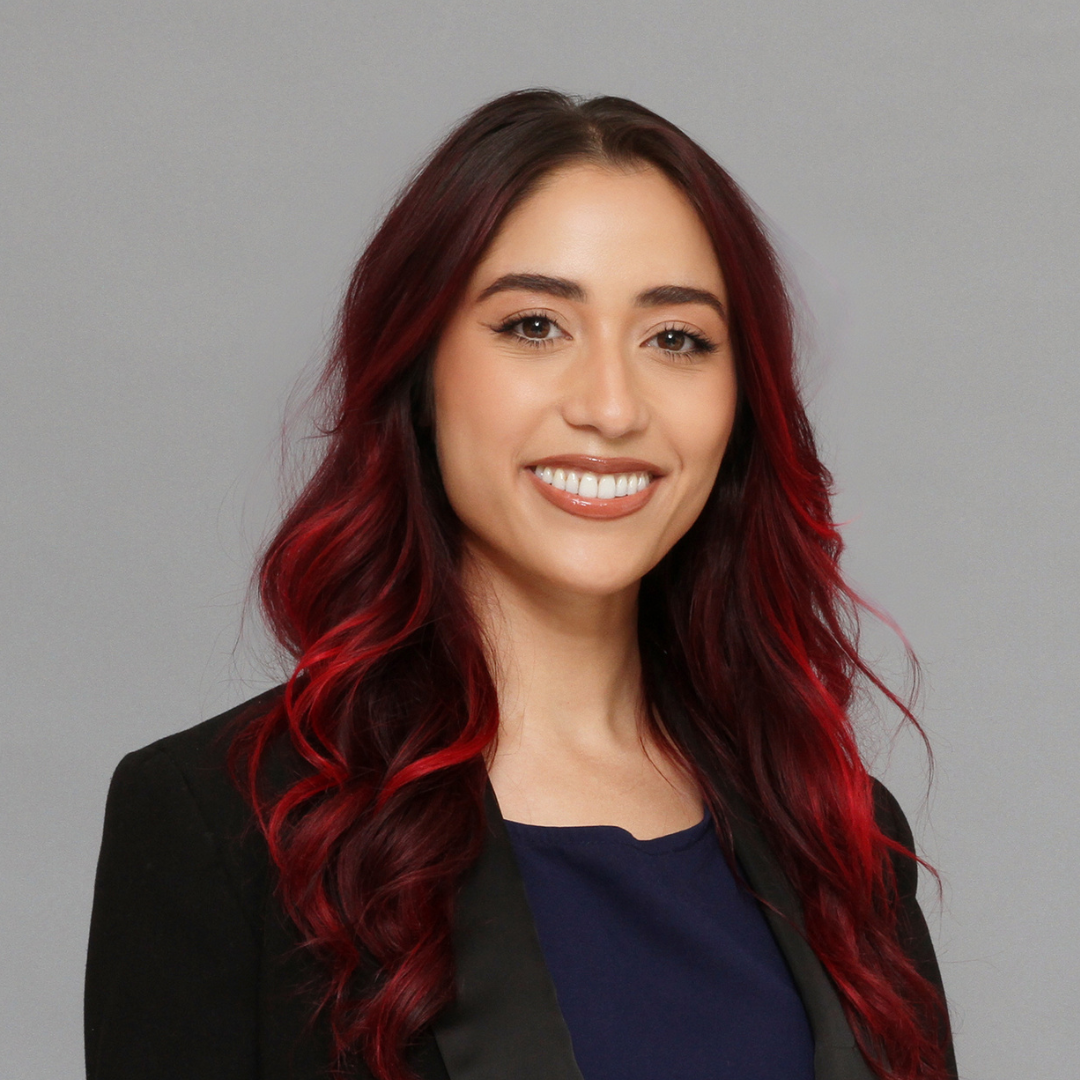
PROJECT TITLE: Guiding Ethical Design and Usage of Voice-Based Virtual Conversational Agents in Digital Mental Healthcare: Fostering Responsible AI Therapeutic Support
“Zoha is currently in the second year of her Master of Science in Health Sciences program at Simon Fraser University. As a member of the Voice as a Biomarker Consortium, a U.S. National Institutes of Health-funded initiative under the Bridge to Artificial Intelligence (AI) program, her thesis focuses on proactively creating a consensus-driven normative governance framework for the ethical design and implementation of voice-based AI-powered virtual conversational agents (VCAs) utilized for monitoring, diagnostic, and therapeutic purposes.
Zoha is exhilarated to be joining the AI4PH Health Research Training Platform (HRTP) where she hopes she will learn from and grow amongst adroit members, as well as build capacity in designing and implementing innovative and equitable AI in the public health sector.
Anasua Kundu

PROJECT TITLE: Determinants of vaping cessation among youth e-cigarette users
Anasua is a PhD student at Institute of Medical Science, University of Toronto. She has completed a Master’s in Family and Community Medicine with a Collaborative Specialization in Addiction Studies from Dalla Lana School of Public Health. She also has a MBBS degree and served as a physician for five years in Bangladesh. Affiliated with Ontario Tobacco Research Unit, she also has multiple tobacco and substance use related publications in high-impact journals. Her PhD research involves machine learning-based analysis of longitudinal data to identify predictors of vaping cessation among youth e-cigarette users as well as building an algorithm for a personalized vaping cessation smartphone app.
Chapin Korosec
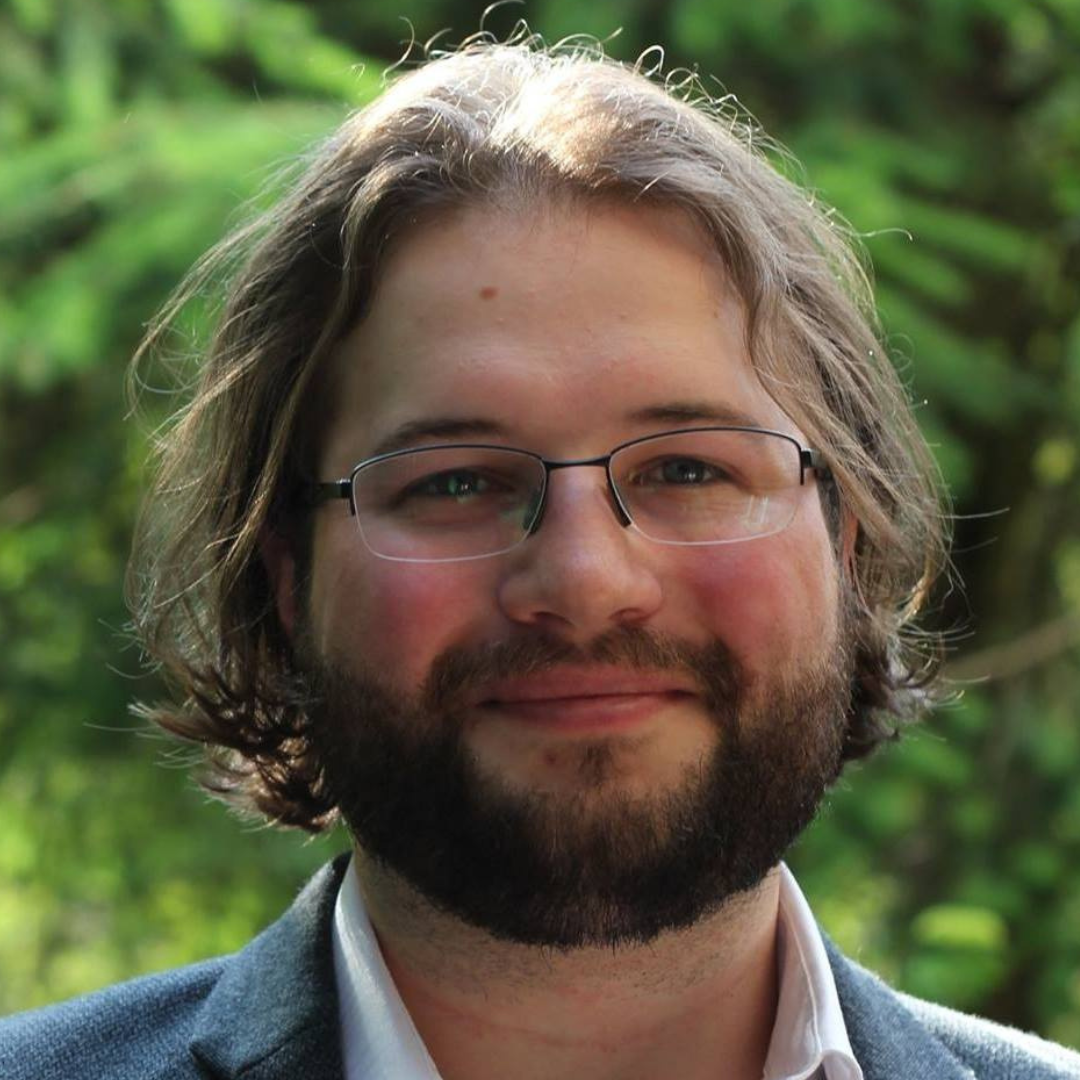
PROJECT TITLE: Leveraging AI and Mixed Effects Models to Understand SARS-CoV-2 Immunological Responses Amongst People with HIV: A Canadian Public Health Perspective
Chapin Korosec completed his PhD with Nancy Forde at Simon Fraser University where he focused on modelling and engineering of artificial molecular motors. He is currently an NSERC postdoctoral fellow with Jane Heffernan, co-supervised by Sajjad Ghaemi (National Research Council of Canada), at York University working to understand within-host disease dynamics and immunological responses to vaccine and infection through data-driven mathematical modelling and machine learning approaches.
Zijin Liu
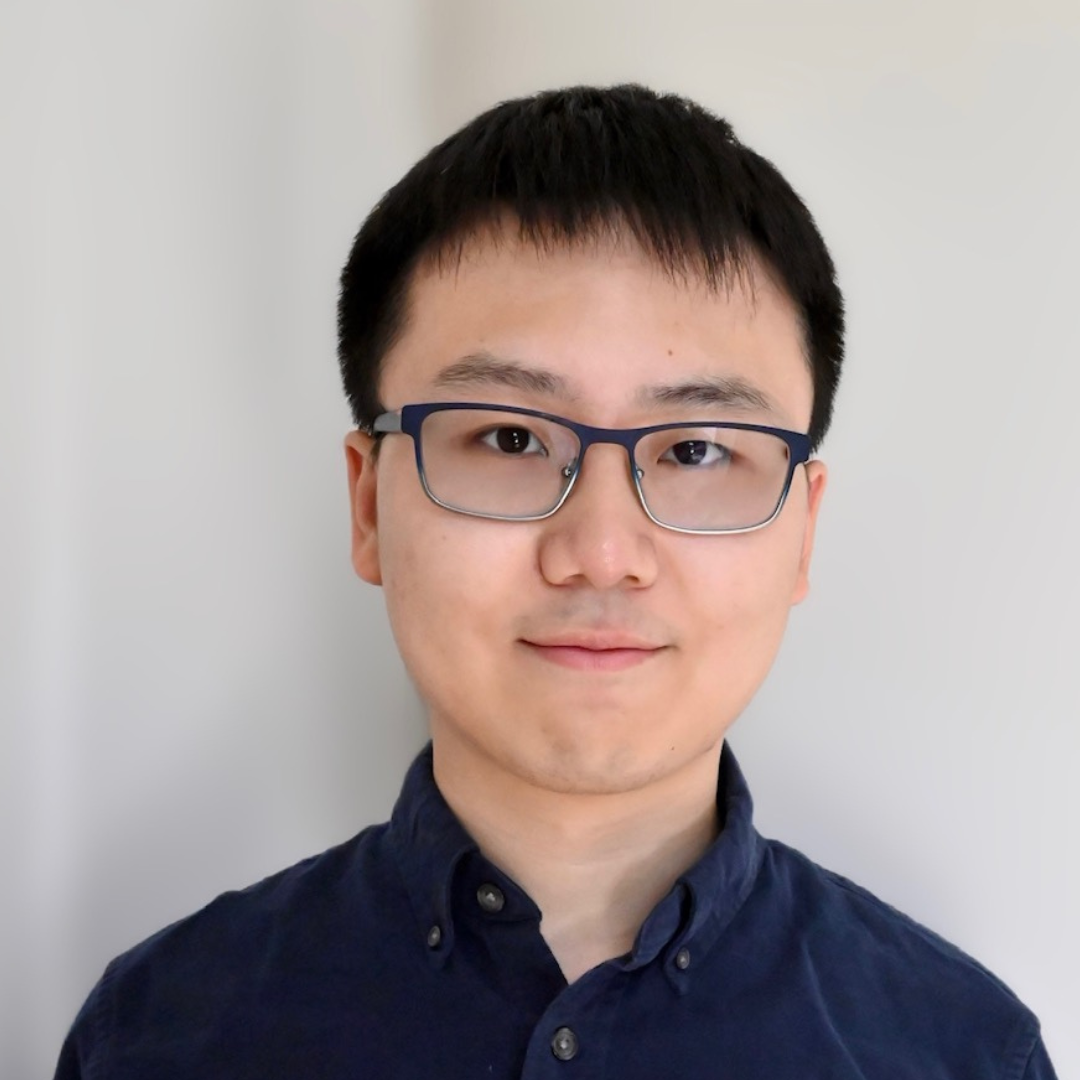
PROJECT TITLE: High-dimensional Mediation Analysis Methods for Identifying Causal Pathways from COVID-19 Related Policy Changes to Radiotherapy Adverse Events
Zijin is a biostatistics PhD student at the Dalla Lana School of Public Health, University of Toronto. He completed his MMath degree in statistics from the University of Waterloo. His research interests focus on integrating ML/AI methods into the causal inference framework and developing Bayesian statistical methodologies for clinical or public health applications.
Jo-Ann Osei-Twum

PROJECT TITLE: Critical Analysis of a Population Segmentation Method and the Associated Health Equity Implications
Jo-Ann Osei-Twum is a PhD candidate at the Dalla Lana School of Public Health, University of Toronto where she specializes in epidemiology with a focus on equitable and effective applications of artificial intelligence and data science for population health.
Behrad Taghibeyglou
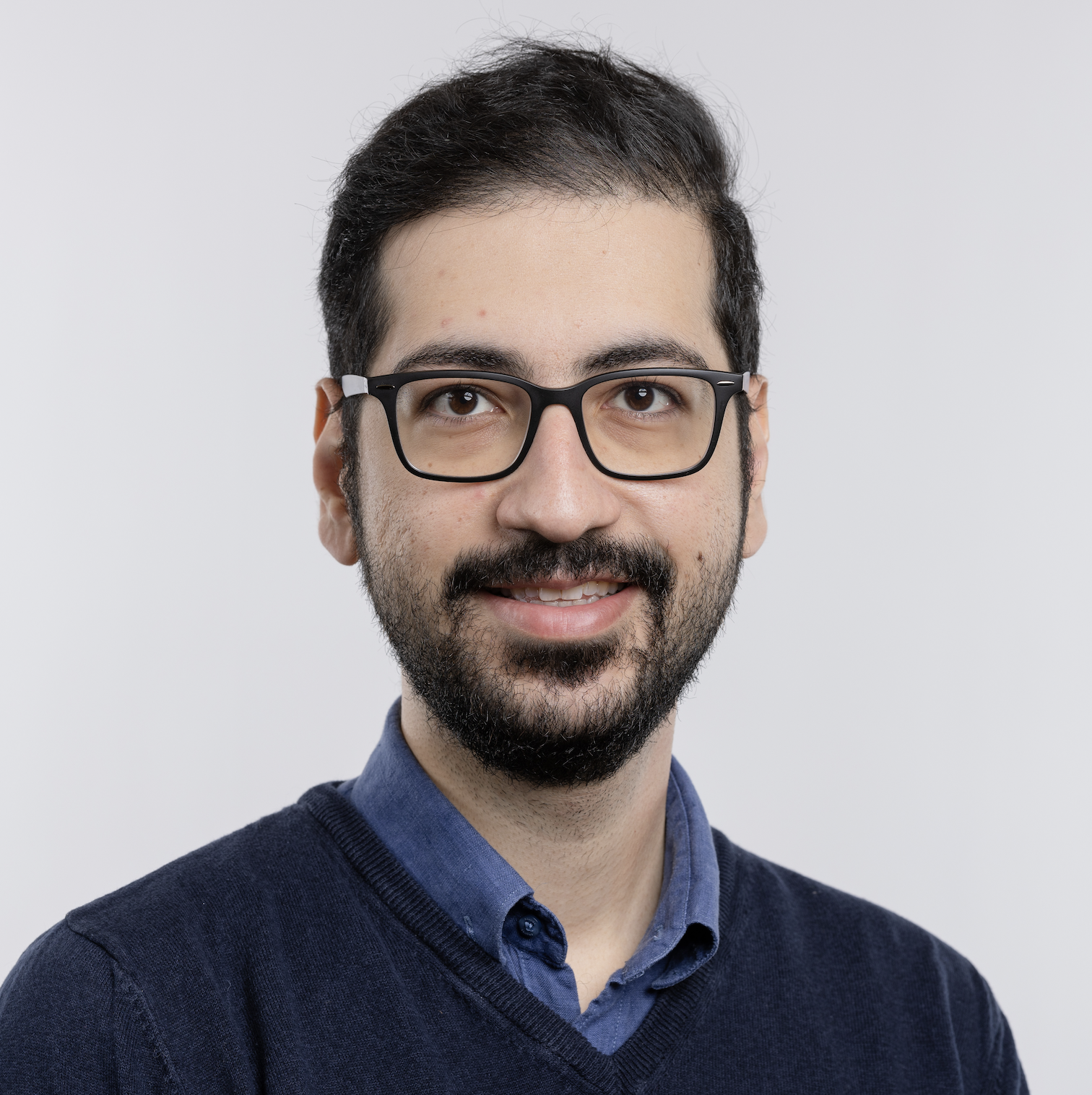
PROJECT TITLE: How to promote equitable sleep care among people experiencing homelessness: An AI-enabled person-centred computer vision-based solution
Behrad Taghibeyglou is a Ph.D. candidate in biomedical engineering at the University of Toronto. He has a broad educational background, holding dual bachelor’s degrees in biomedical engineering and electrical engineering from Amirkabir University of Technology in Iran and a master’s degree in biomedical engineering from Sharif University of Technology. Behrad’s research focuses on the intersection of biomedical signal processing, machine learning, and computer vision to enhance health outcomes. His current Ph.D. thesis centers on developing digital technologies to monitor sleep in individuals from low socioeconomic status
2022-2023
Mohamad Ahmadinejad
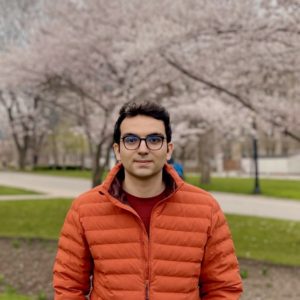
PROJECT TITLE: Automatic Cyberbullying Detection in the Text-Based Platforms
Mohamad is an MSc student in the department of Computer Science at the University of Regina. His primary research area is developing prediction and classification models using Machine Learning and Deep Learning algorithms. He has collaborated with researchers in various disciplines, including insurance, healthcare, public health, social media, and computer networks. In his recent study, he is leading a project on developing Natural Language Processing for information retrieval and sentiment analysis in text-based services.
Erin Collins
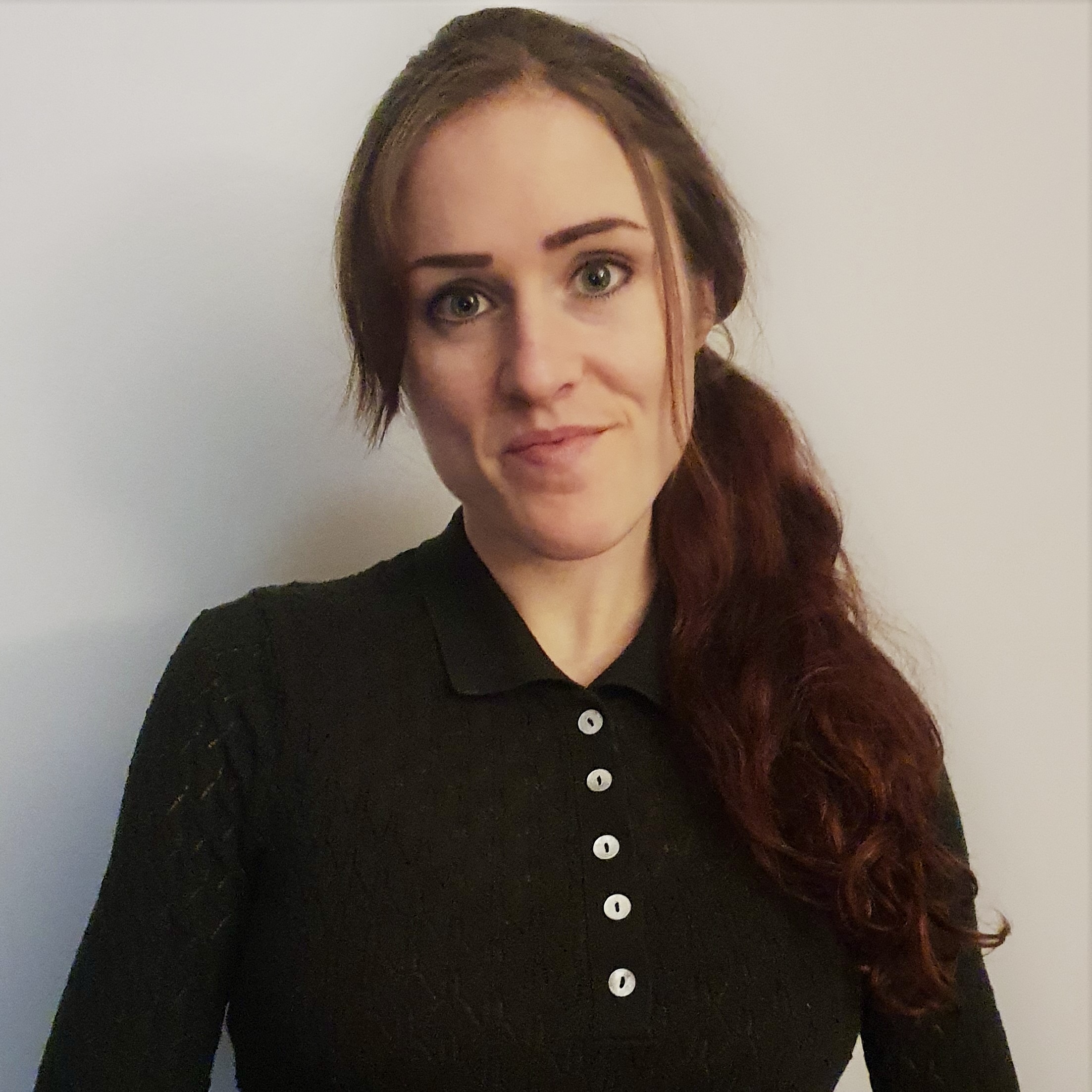
PROJECT TITLE: Agent-based modelling of Post COVID-19 Condition (PCC) onset and trajectory using Canadian research data
Erin is a PhD candidate in Epidemiology at the University of Ottawa. Supervised by Dr. Julian Little and AI4PH mentor Dr. Doug Manuel, Erin is applying an agent-based approach to model onset and trajectory of Post COVID-19 Condition (PCC) overtime using clinical and lab-based Canadian research data. Erin is also a data analyst with the Public Health Agency of Canada’s Population Health Modelling Unit, managed by Dr. Rojiemiahd Edjoc.
Joseph Donia
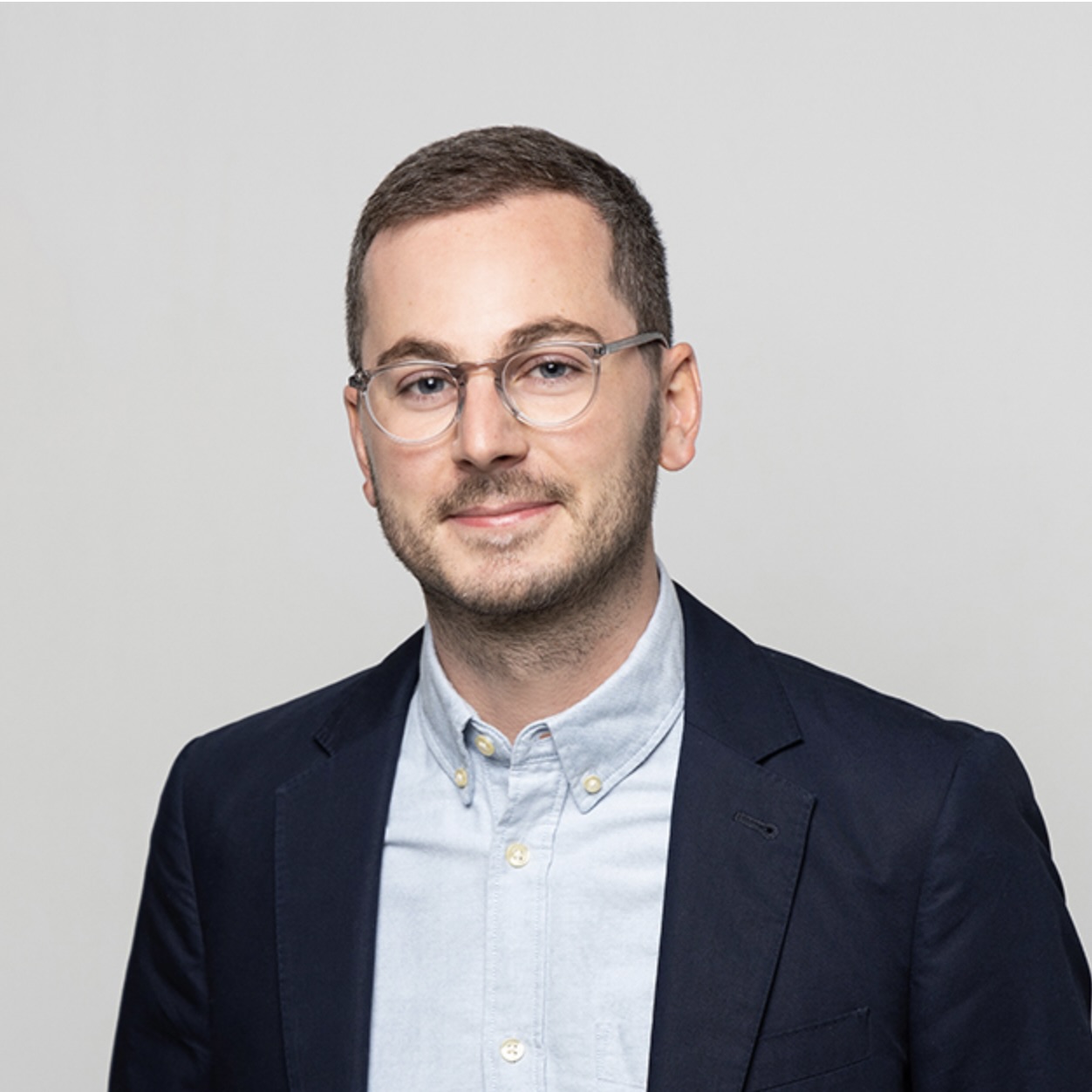
PROJECT TITLE: Normativity and agency in the development of an AI technology for health: a design ethics case study
Joseph is a PhD student at the Institute of Health Policy, Management and Evaluation at the University of Toronto where his research is supported by a Social Sciences and Humanities Research Council (SSHRC) Doctoral Fellowship. His research examines the ethics and politics of digital health innovation, with an emphasis on the norms and values that characterize AI design and development processes. In 2021-22 Joseph held the Benita M. Warmbold Fellowship in Health System Innovation at Women’s College Hospital in Toronto, and a Graduate Fellowship in Ethics of AI at the University of Toronto’s Centre for Ethics. In 2018 he was selected as an inaugural scholar in AI Ethics and Health by the University of Toronto’s Joint Centre for Bioethics.
Dr Hiroshi Mamiya
PROJECT TITLE: Towards incorporating accelerometer and Global Positioning System data into population health research: application of Bayesian machine learning algorithm and formalization of selective daily mobility bias.
Hiroshi is a post-doctoral fellow working with Dr. Daniel Fuller at the University of Saskatchewan. His research interest is to develop novel measurements describing lifestyle risk factors, such as physical activity and dietary patterns, using the digital streams of population behaviours generated by location-coded wearable devices and consumer transactions. He obtained a PhD in Epidemiology from McGill University, where he developed novel neighbourhood measures of food purchasing using grocery transaction data in Montreal.
Carolyn Quinlan
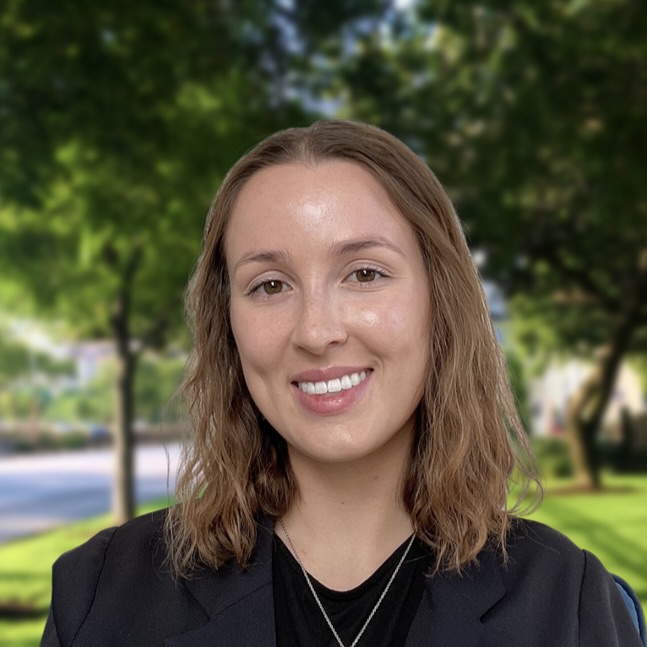
PROJECT TITLE: Designing a computer vision machine learning algorithm to identify hip fractures: a retrospective case study
Carolyn is currently completing her MSc HSR in Health Systems Artificial Intelligence, as well as a Collaborative Specialization in bioethics at the Joint Centre of Bioethics at the University of Toronto. Prior to this, she completed her bachelor’s degree in bioethics and cognitive science at the University of Toronto. Carolyn’s research explores the process of designing an algorithm for use in clinical care, as well as the perceived utility of resources intended to help designers assess the social and ethical impacts of the decisions they make during the algorithm design process.
Dr. Shaina Raza
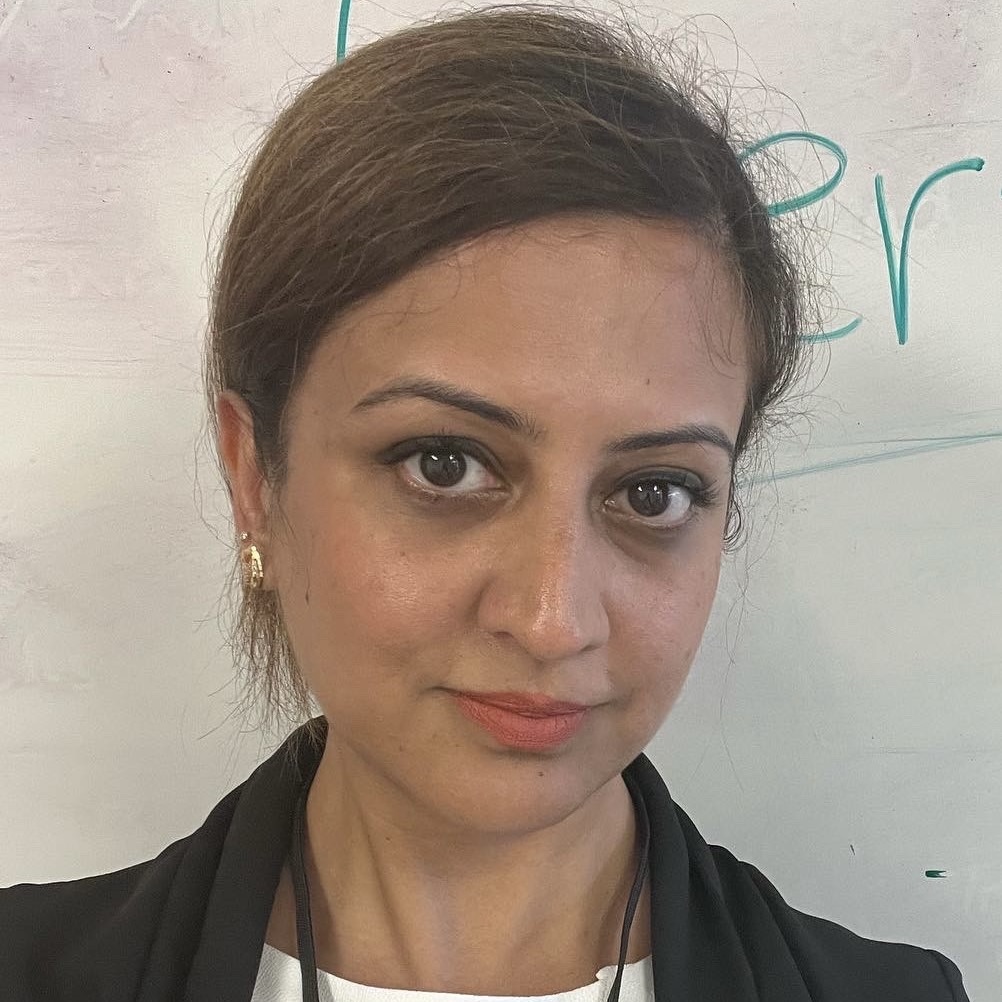
PROJECT TITLE: Utilizing artificial intelligence to reduce health disparities and promote equity among marginalized populations in the post-COVID era.
Shaina is a CIHR Health System Impact Fellow. Her post-doctoral fellowship is co-funded by the CIHR Institute of Population and Public Health (CIHR-IPPH)/Equitable AI and Public Health Ontario. Her host institute is Public Health Ontario and academic institute is Dalla Lana School of Public Health, University of Toronto. She has a PhD in Computer Science, specialized in AI, natural language processing and deep neural networks. She is also a seasoned data scientist, a scientific editor and a reviewer in peer-reviewed journals. Her research interests are in computer linguistics, social media, and in developing novel language models with a focus in biomedicine and recommender systems.
Joykrishna Sarkar
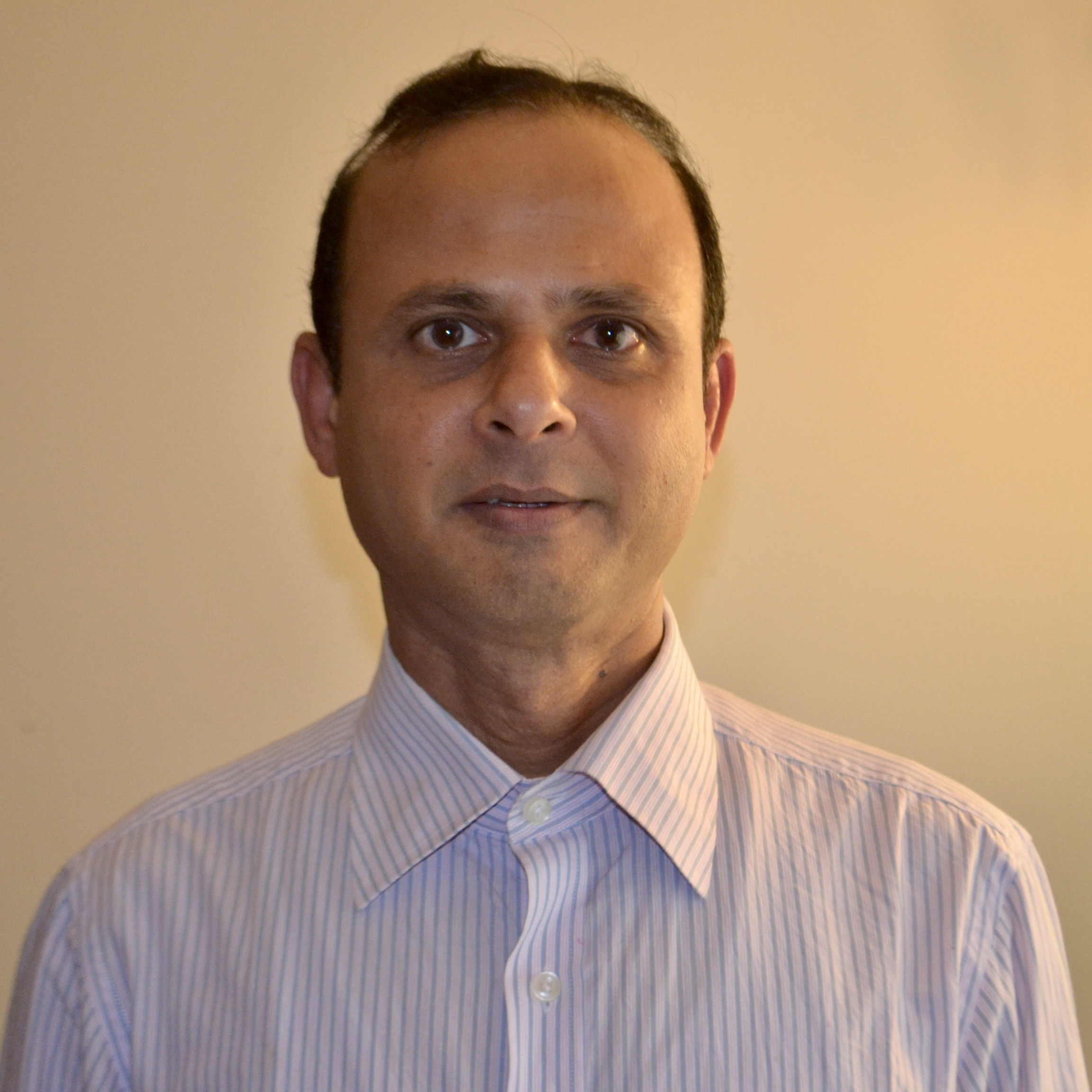
PROJECT TITLE: Effects of unstructured text data quality on the extraction of chronic disease information from electronic medical records
Joykrishna Sarkar is a PhD student in the Department of Community Health Sciences, Rady Faculty of Health Sciences, at the University of Manitoba in Winnipeg. He is also a data analyst at the Manitoba Centre for Health Policy and affiliated with the George & Fay Yee Centre for Healthcare Innovation. He has extensive experience in analyzing health administrative and survey data and has developed advanced skills in the application of statistical methods for health research. His PhD research focuses on the effects of unstructured text data quality on the extraction of chronic diseases from electronic medical records using natural language processing techniques.
Calvin Yip
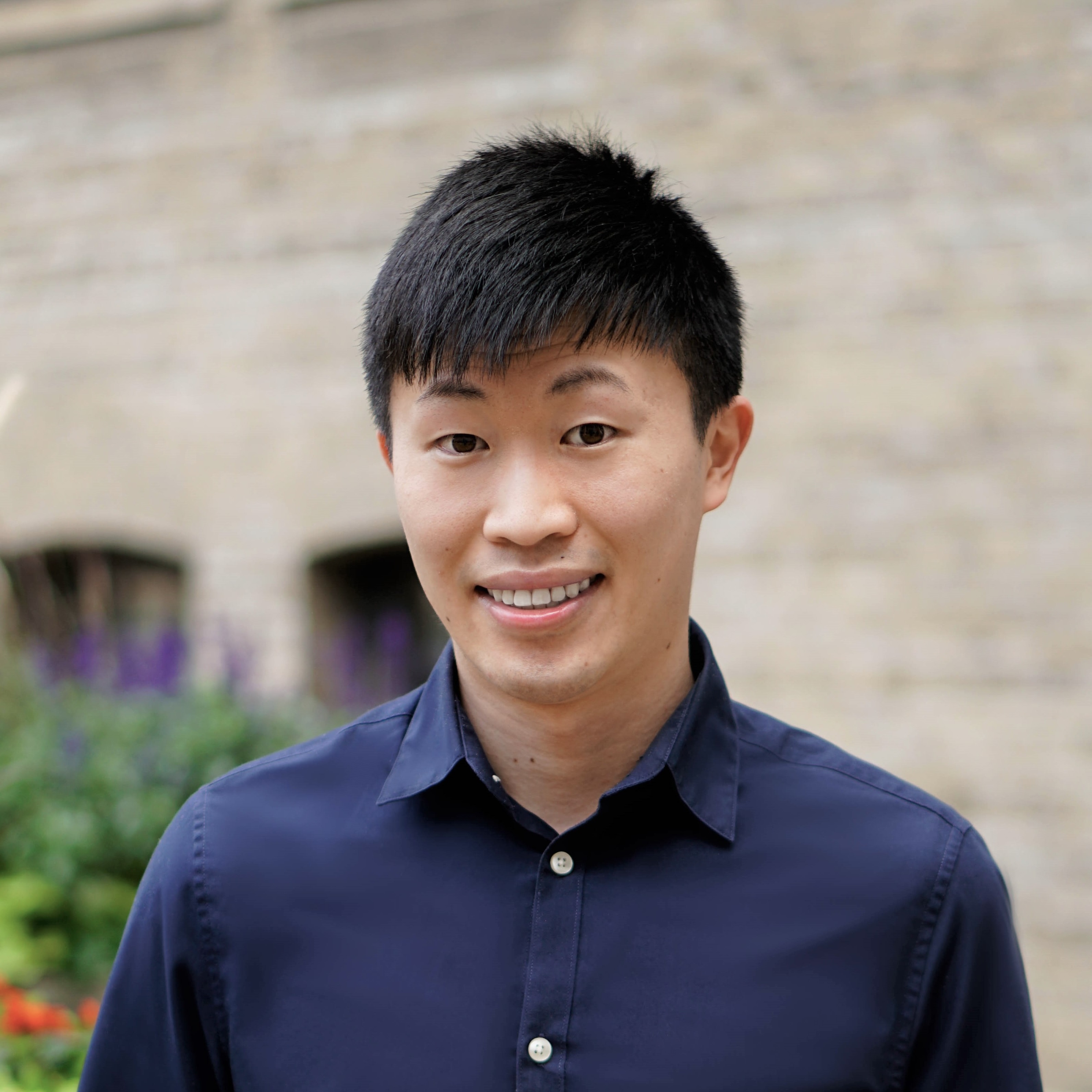
PROJECT TITLE: Understanding, predicting, and preventing mortality from deaths of despair in Canada: a population-based approach
Calvin is a PhD candidate in Epidemiology at the Dalla Lana School of Public Health, University of Toronto. He completed his MSc in Epidemiology and Biostatistics at Western University, and has extensive experience using large datasets to study the epidemiology of musculoskeletal disorders. For his doctoral research, Calvin will leverage machine learning methods and detailed data on social determinants of health to advance the prediction of cause-specific mortality.
2026
Adan Amer
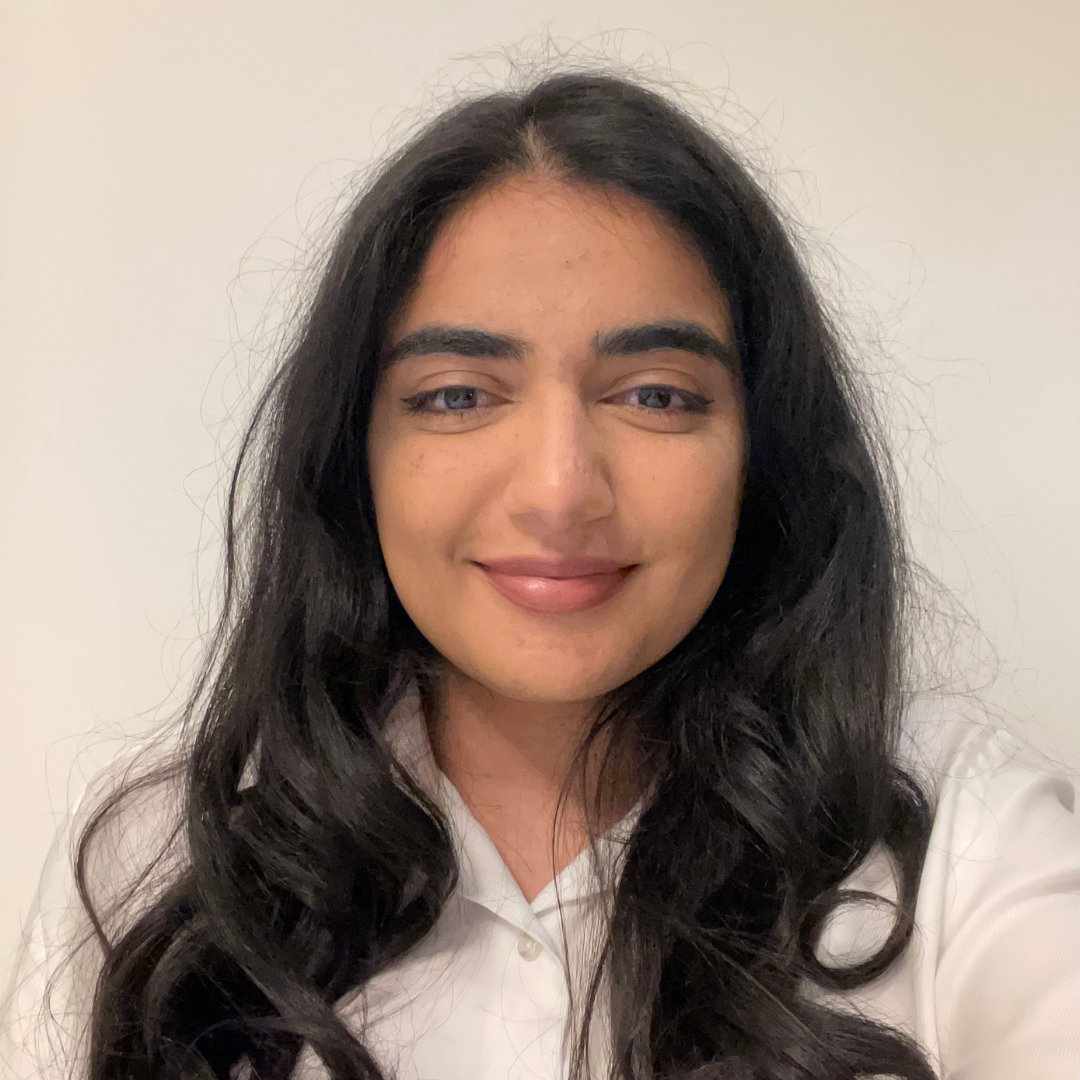
Project Title: Exploratory assessment of AI tools to support PHAC’s Rapid Risk Assessment workflows
Public Health Agency of Canada.
Adan is a 1st year PhD Epidemiology student at the Dalla Lana School of Public Health. Her research areas include antimicrobial resistance, precision medicine, and equitable AI. Her 2026 AI4PH internship at PHAC explores how/where AI can aid the Rapid Risk Assessment process for acute public health events. Prior to the internship, Adan was a trainee at the T-CAIREM Summer Research Program where she explored inequity and biases in medical AI/ML applications.
Alishba Abbas
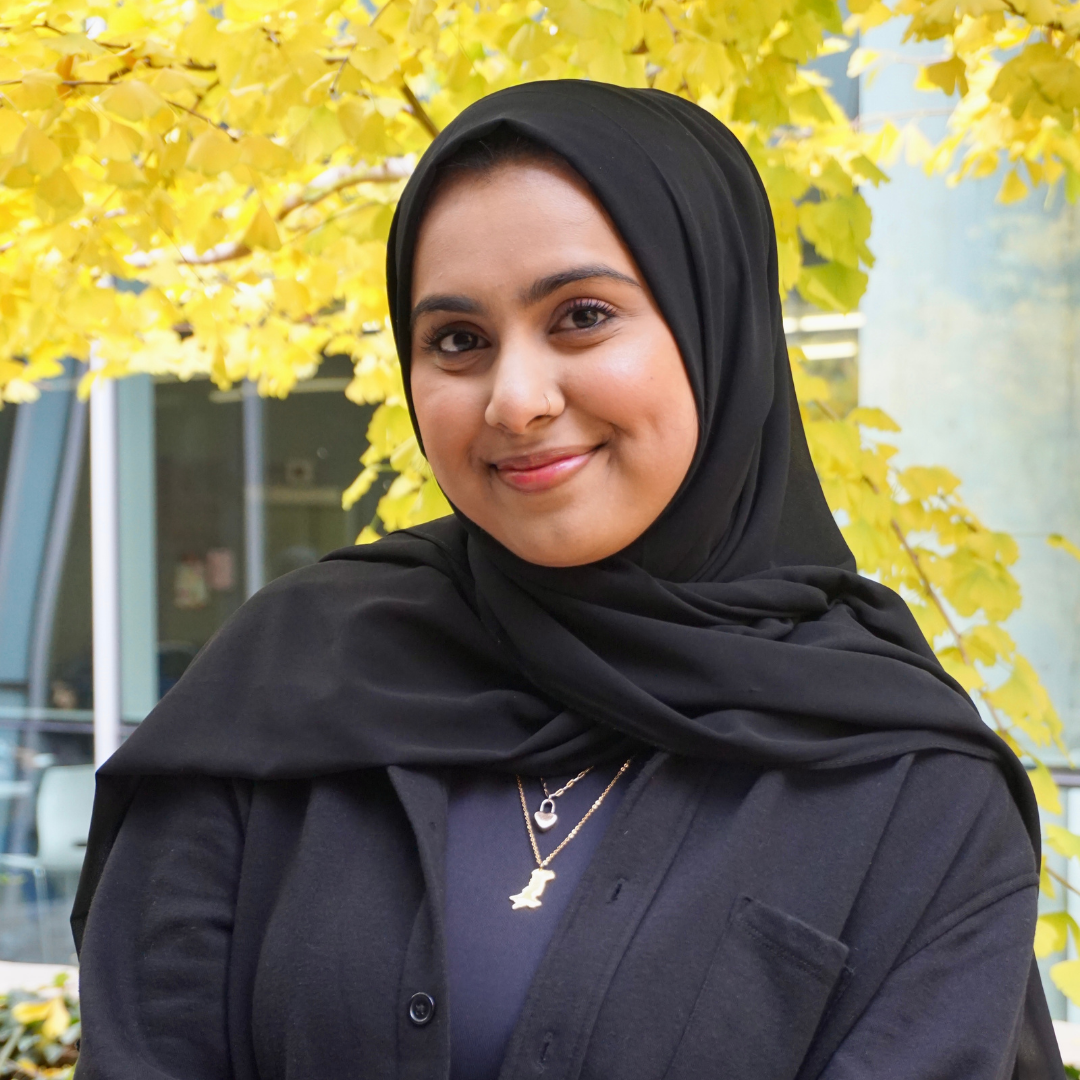
Project Title: AI-supported privacy impact assessments, project intake, and responsible AI governance
Southwestern Public Health.
Alisha is a Master of Health Informatics student at the University of Toronto with a background in epidemiology and the social sciences. I am passionate about using AI and digital health to improve healthcare delivery, advance health equity, and support evidence-based decision-making. Her interests include leveraging technology to improve patient and population health outcomes and the responsible implementation of emerging technologies in healthcare.
Steven Huang
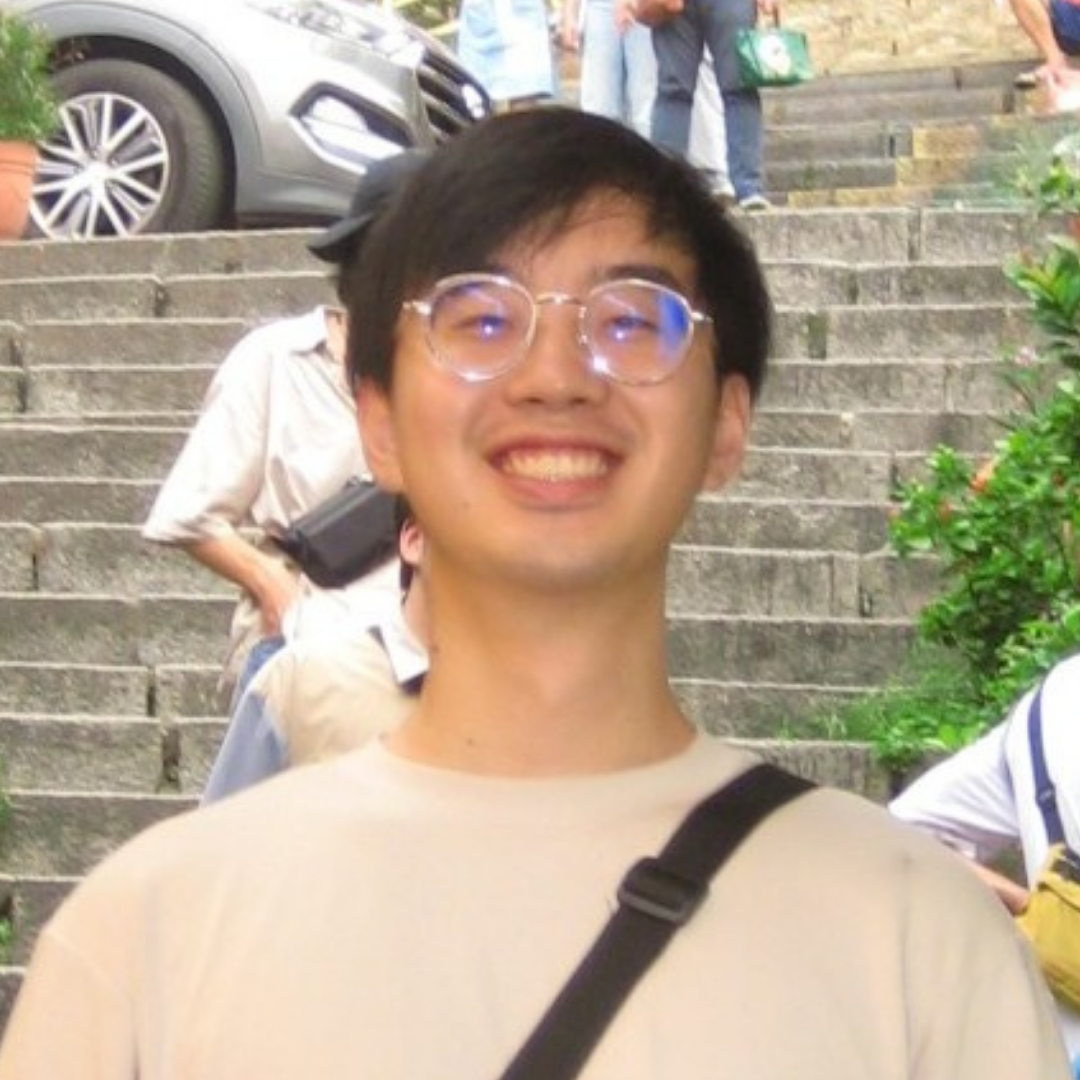
Project Title: Optimizing Hybrid Personal Identifiable Information Redaction for Clinical Document De-Identification
University of British Columbia.
BC Children’s Hospital Research Institute AI and Data Science Unit
Steven Huang is a Computer Science and Microbiology undergraduate student at the University of British Columbia dedicated to employing data science and artificial intelligence to address problems in clinical healthcare. Collaborating with the BC Children’s Hospital, his work revolves around merging deterministic redaction tools and probabilistic NLP methods to remove sensitive personal identifiable information from clinical documents before they are used with LLMs.
Francesco Zaffino
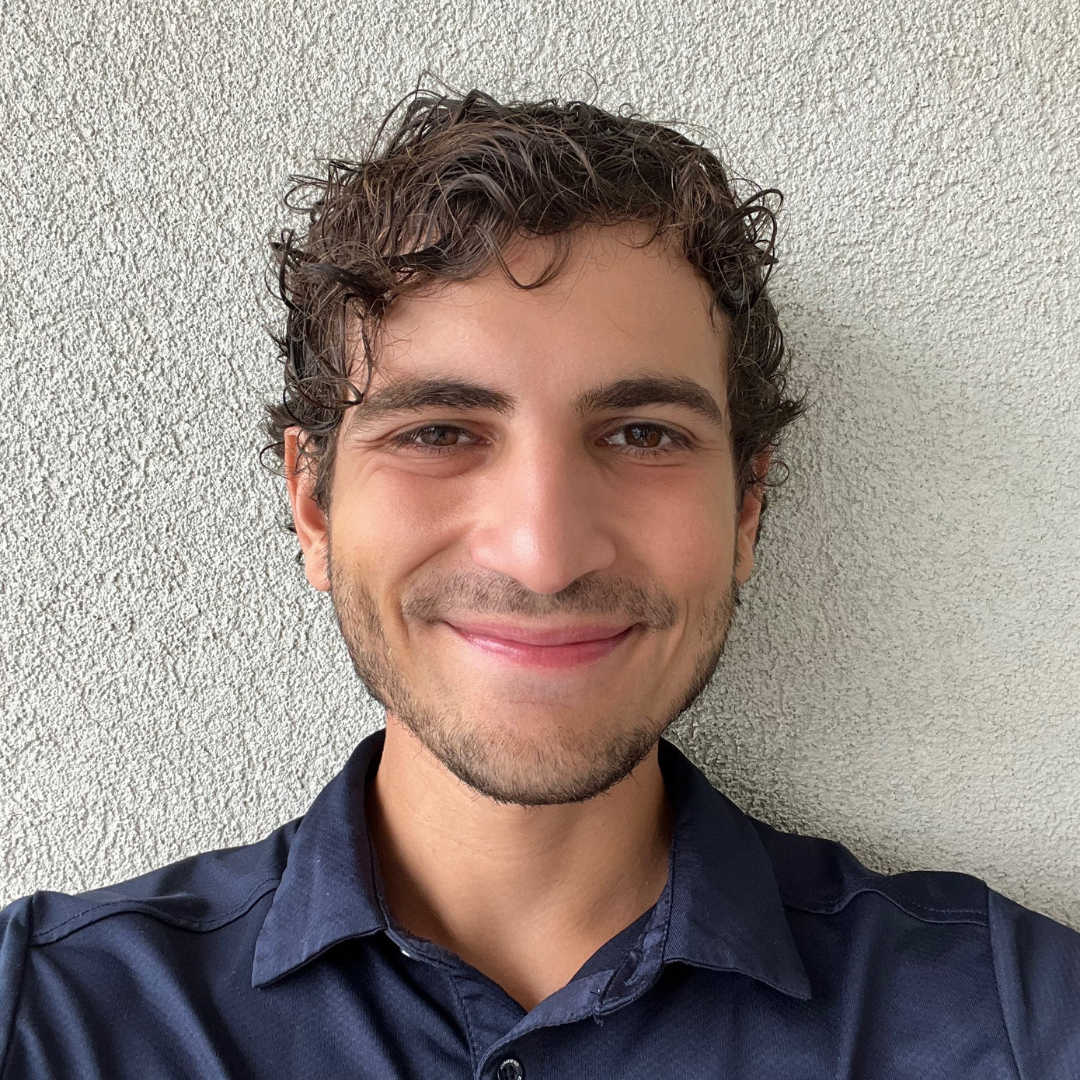
Project Title: Machine learning prediction of severe pediatric asthma events using health system and environmental data.
University of Alberta
Francesco Zaffino is a second year master’s student in the School of Public Health Sciences at the University of Waterloo. His research sits at the intersection of artificial intelligence, population health, and mental health, with interests in predictive modelling, data science, and the application of AI to real-world health system challenges. Francesco’s thesis project uses machine learning to model how extreme weather events drive acute care demand in Thunder Bay, Ontario.
Andres Bravo
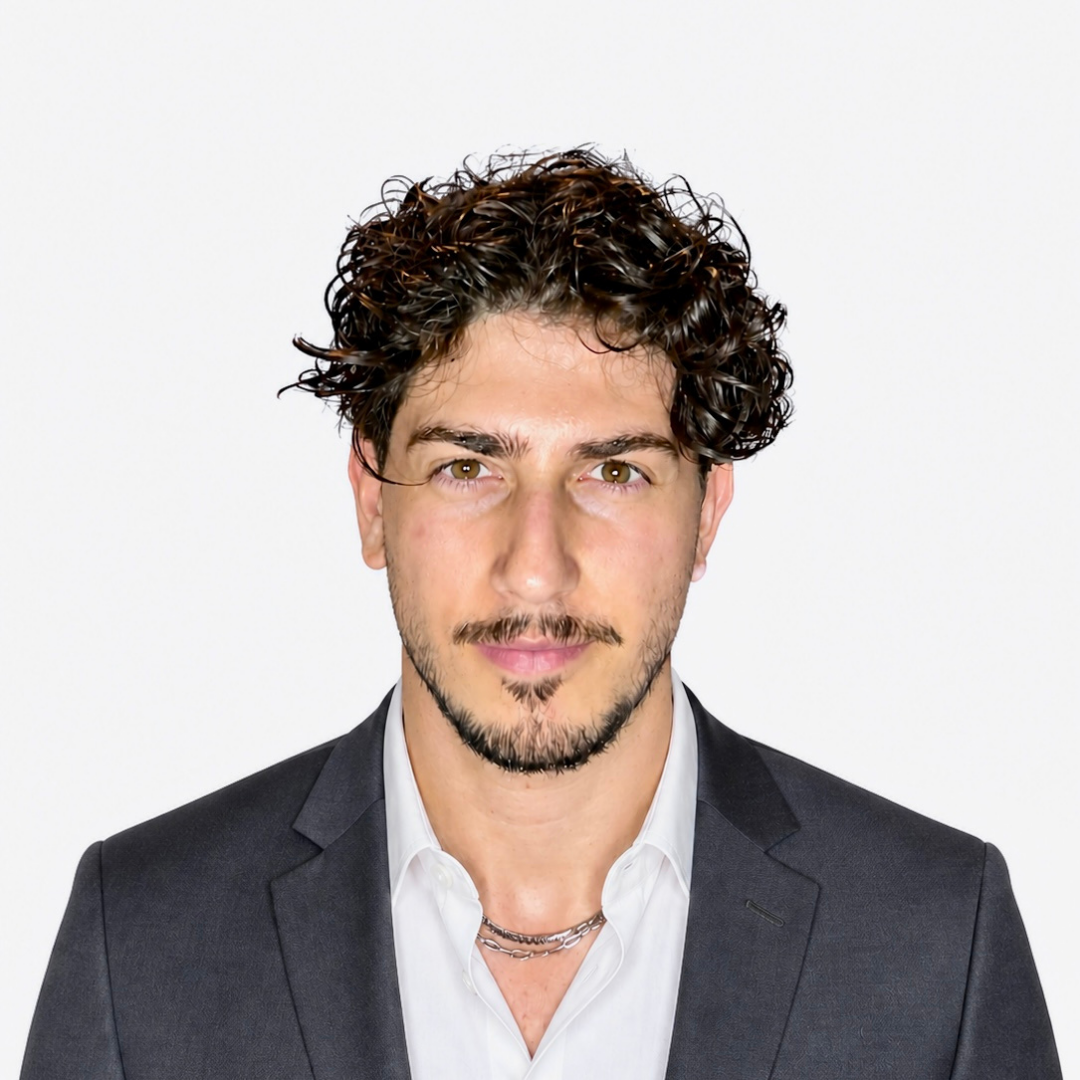
Project Title: Machine learning analysis to derive youth health personas from survey data.
Wellington-Dufferin-Guelph Public Health.
Andres Bravo is an AI4PH intern and biomedical innovator with an MBI from McMaster University and a BSc (Hons) in Biomedical Science from the University of Guelph. His work bridges public health, clinical operations, and AI-enabled healthcare, drawing on experience in emergency mental health services, surgical AI research, and health technology development. He is passionate about using data, innovation, and community-centred design to make health systems more equitable, understandable, and responsive.
Dafni Giannari
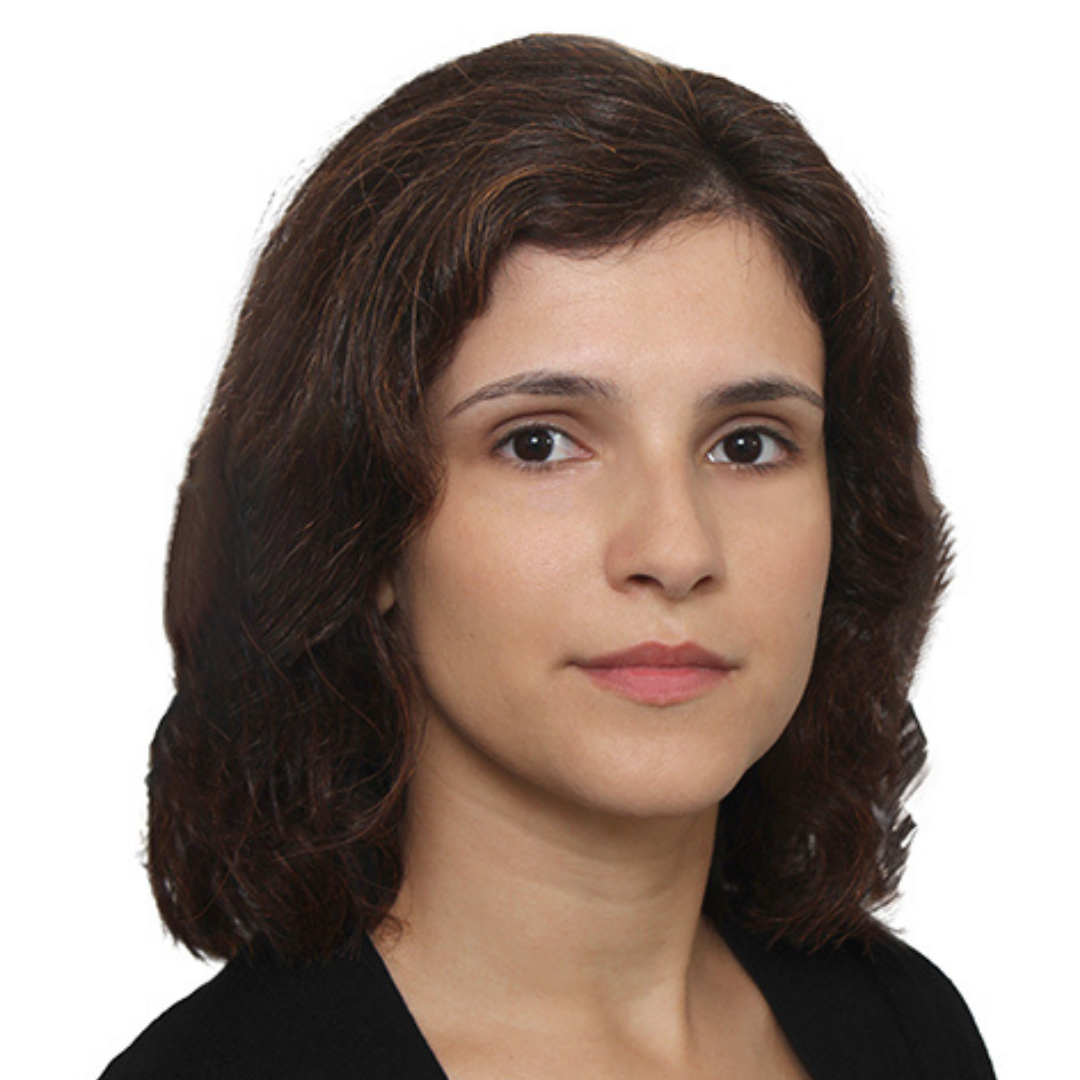
Project Title: Feasibility assessment of simulation-based chronic disease projection modeling using particle filtering and machine learning.
Saskatchewan Health Authority.
Dafni is a PhD candidate in the Department of Chemical Engineering and Applied Chemistry at the University of Toronto, where she specializes in computational biology. Her research centers on mathematical and computational modeling of metabolic networks, with a focus on developing optimization-based algorithms to study microbial communities and bioprocesses. She previously earned her degree in chemical engineering from the University of Patras in Greece.
Nassim Ashford
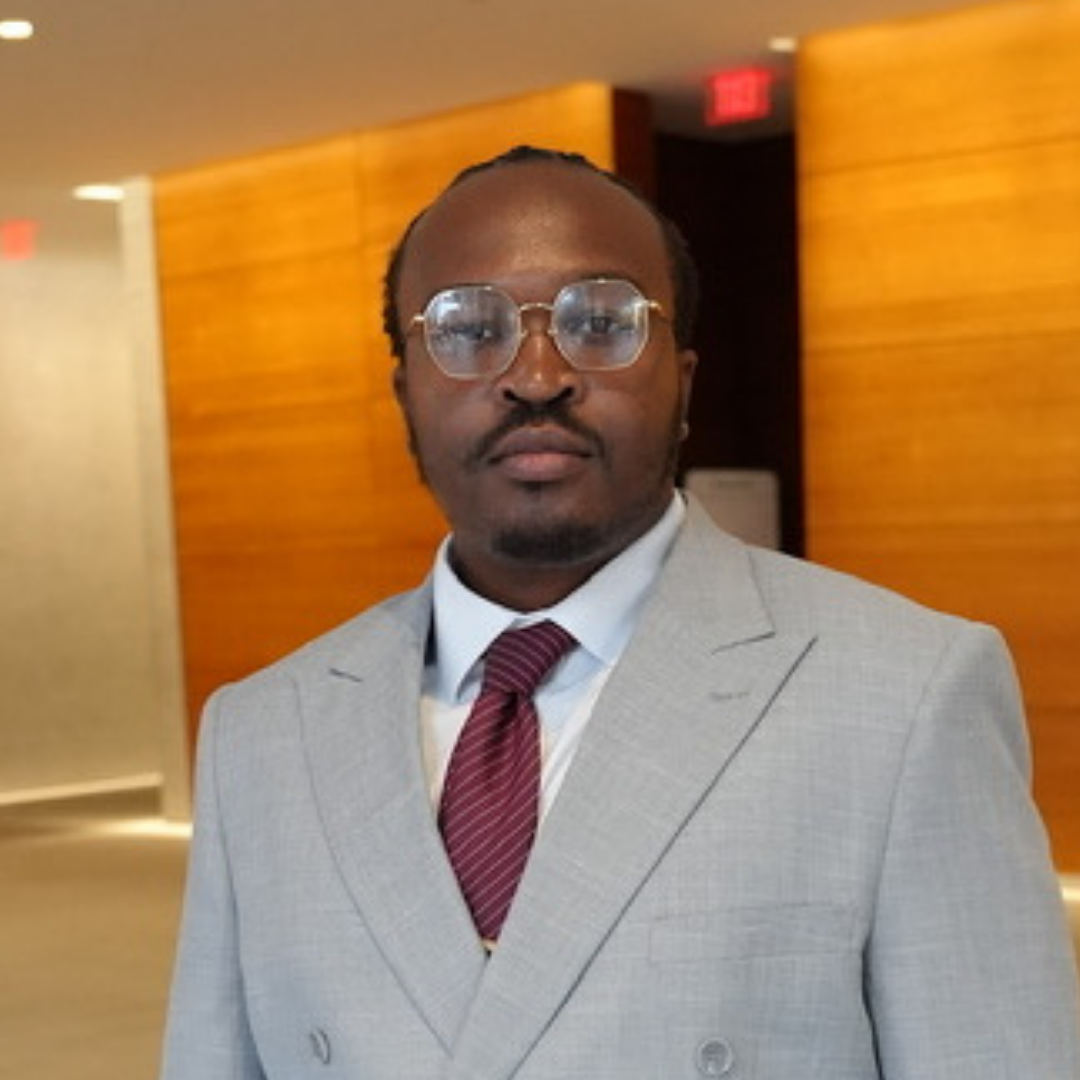
Project Title: Design an evidence-based framework for an AI-supported youth sexual health education tool.
Village Public Health
Nassim Ashford is a global health professional focused on advancing health equity through policy and research. His work explores how social, environmental, and technological factors shape health outcomes. As a public health associate with the Centers for Disease Control and Prevention in Richmond and Henrico, Virginia, he conducted research and data analysis on chronic and infectious diseases and supported the implementation of the Youth Risk Behavior Survey. He holds an MPH from the Yale School of Public Health, a BA from Mercer University, and is pursuing a PhD in Global Development at Cornell University.
Sebastian Santoni Perez De Obanos

Project Title: AI and data analytics to optimize school communications, staff scheduling, and capacity planning for oral health programs.
Region of Peel – Public Health
Sebastian is a funded Master’s student in Computer Science at York University, supervised by Dr. Sana Maqsood, with a background in computer science, economics, and mathematics from the University of Toronto. His research focuses on human-centered technology, exploring how AI and games can be designed to be fair, secure, and responsible. At the Region of Peel, he is applying AI and machine learning to enhance the efficiency and equity of public health workflows, bridging technical expertise with real-world human impact.
Ezinne Ndukwe
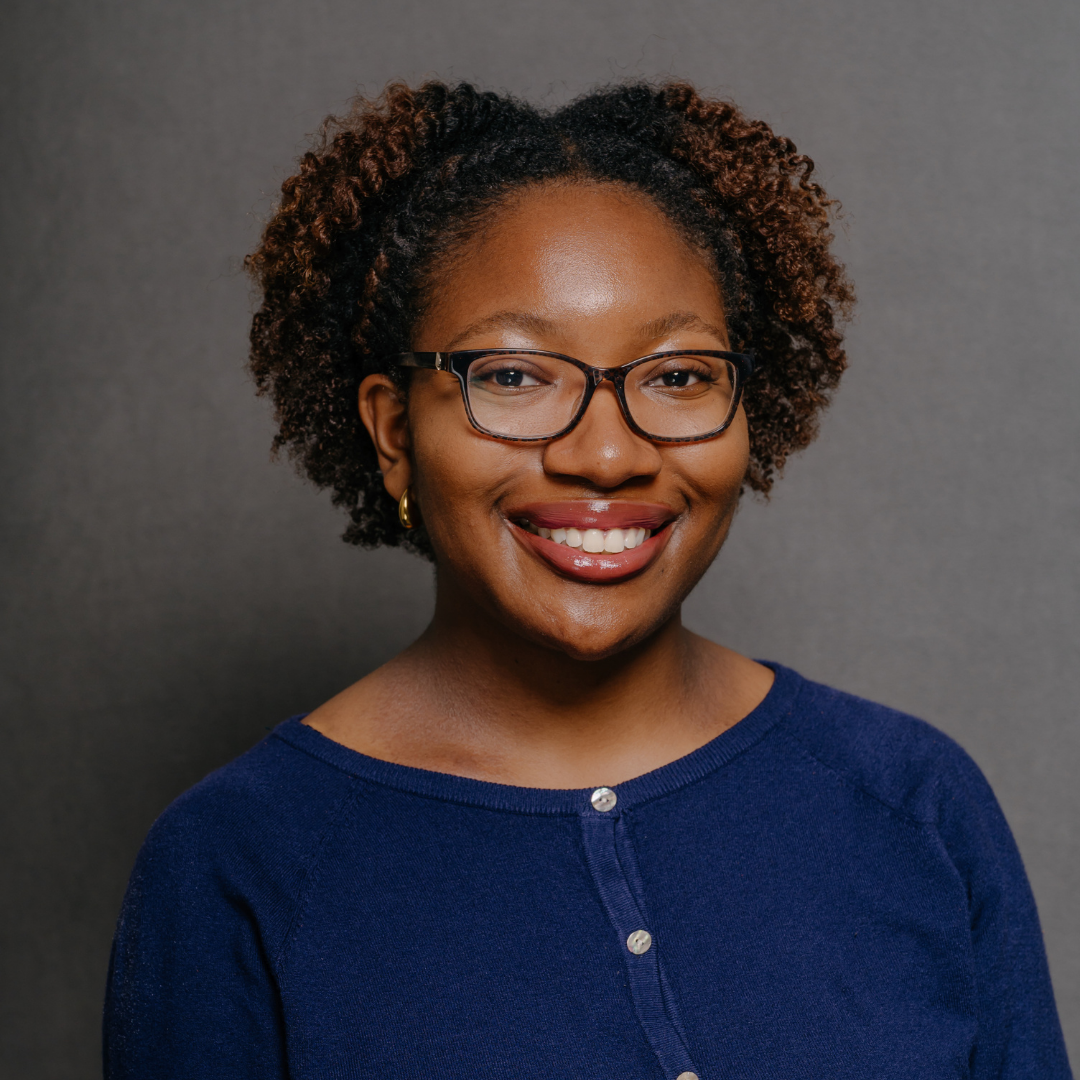
Project Title: Natural language processing and machine learning to automate eConsult coding and analysis.
Bruyère Health Research Institute/Ottawa Public Health
Ezinne holds a Master of Public Health in Epidemiology from the Dalla Lana School of Public Health. She is working with Ottawa Public Health to optimize scheduling and routing for the Healthy Babies, Healthy Children program through machine learning and mathematical modeling. Her works also involves generating synthetic data to evaluate the impacts of different organizational strategies. She brings experience in health services operations, along with an interest in applying data science to design quality health services efficiently and equitably.
Param Raval
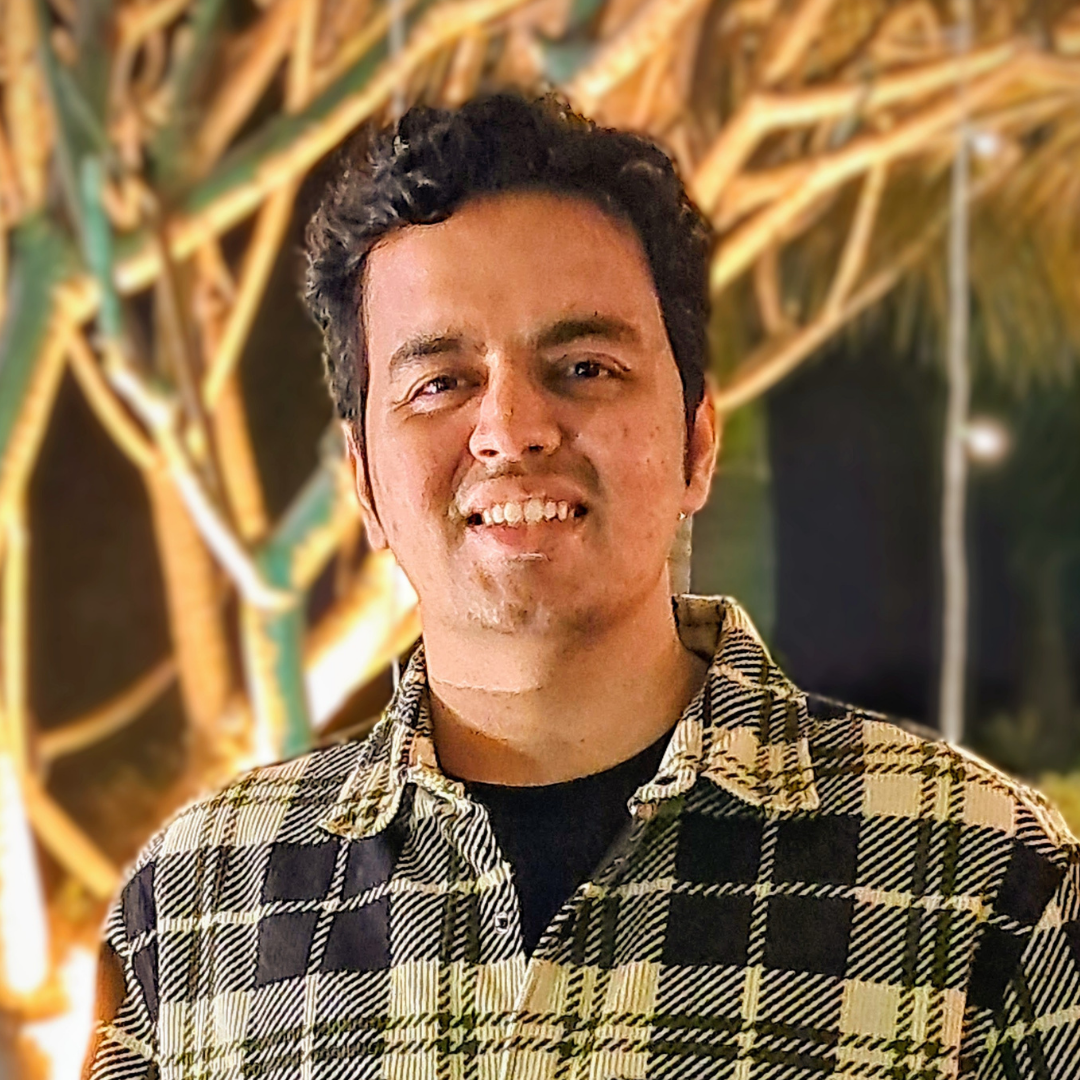
Project Title: AI-enabled social listening and infodemic surveillance to support public health preparedness and trust-building.
Southeast Public Health
Param is an AI professional and a graduate from Mila Quebec AI Institute and Université de Montréal. His work focused on healthcare applications of AI including neuromodulation therapy and music therapy. With Southeast Public Health, he is developing an analytical dashboard to monitor public health narratives on social media in an effort to flag misinformation and misleading narratives before they become widespread.
Xinyi Liu

Project Title: Natural language processing and machine learning analysis of youth-articulated care goals.
Youth Wellness Hubs Ontario (YWHO) Provincial Office at CAMH.
Celine is a Research MSc student specializing in Health Informatics and Clinical AI Safety and Evaluation at the Dalla Lana School of Public Health, University of Toronto. She has been working at the intersection of large language models (LLMs), AI, and healthcare, exploring real-world applications and developing robust methods for LLM evaluation in clinical settings. For example, she is developing LLM-as-a-judge methods (where one LLM evaluates another LLM system) to assess chatbots designed for adolescents and young adults living with Type 1 diabetes. She has also gained experience working with vulnerable populations, including youth with mental health needs, refugees, and patients with chronic diseases.
2025
Darienne Russell
 Project Title: Indigenous women’s safety and well-being, homelessness, and community-based healing.
Waakabiness Institute of Indigenous Health Research (WIIH).
Darienne Russell is a Social and Behavioural Health Sciences PhD student at the Dalla Lana School of Public Health and a research assistant at the Waakabiness Institute of Indigenous Health Research (WIIH). She is a member of Tl’azt’en Nation, and her research interests include Indigenous women’s safety and well-being, homelessness, and community-based healing.
Mohammad Ahmed Basri
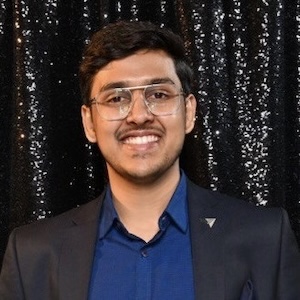
Project Title: Utilizing AI for public health surveillance
Toronto Public Health
Mohammad earned a Master’s in Systems Design Engineering with a specialization in AI from the University of Waterloo. He collaborated with the Public Health Agency of Canada on a synthetic data initiative and has led AI-driven healthcare projects. Mohammad is currently working with Toronto Public Health on data-centric innovations in healthcare and public health.
Ali Bahari

Project Title: AI Methods for Environmental Health and Exposure Mapping.
CANUE (Canadian Urban Environmental Health Research Consortium)Mapping
Ali is pursuing a master’s degree in Computer Science at Memorial University. He develops and applies AI methods to address real-world challenges. As a Research Assistant with CANUE, Ali is working on leveraging AI for environmental exposure mapping to support urban health research and inform public health interventions.
Tanner Boyle
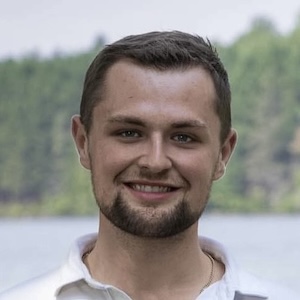
Project Title: Building AI Ready Infrastructure for Northern Health Systems
Thunder Bay Regional Health Sciences
Tanner is an MSc Computer Science student at Lakehead University, focused on optimizing classifiers and reducing latency in brain-computer interfaces to improve neuroprosthetic performance. As a teaching assistant, he also mentors undergraduate students. Tanner is driven by a passion for using AI to transform medical technologies and improve public health outcomes. He is working with Thunder Bay Regional Health Sciences
Shruti Cheetu
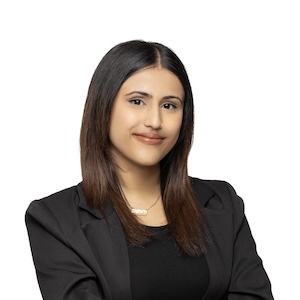
Project Title: Strategic AI Integration for Public Health
Southwestern Public Health
Shruti is a Master of Biomedical Innovation Candidate at McMaster University. She is working with Southwestern Public Health to assess organizational readiness for AI adoption, develop educational resources and workshops, and identify opportunities for AI integration. Her work supports the creation of a strategic roadmap for responsible AI in public health.
Md Mohidul Hasan

Project Title: Exploring feasibility of LLMS for policy framework alignment
Fraser Health
Md Mohidul Hasan is an MSc student in Computational Sciences at Laurentian University, specializing in advanced machine learning and deep learning for integrating text, image, and sensor data. He has published research in NLP, medical imaging, and network security. Md is working with Fraser Health to develop real-world AI solutions for healthcare.
Bahar Rafinejad-Farahani

Project Title: AI for Global Vaccination Policy Curation
Toronto Invasive Bacterial Diseases Network (TIBDN)
Bahar holds a Master of Public Health from George Washington University, with experience in health services research and policy analysis. She is collaborating with the Toronto Invasive Bacterial Diseases Network to curate a global vaccination policy database, enabling large language models to generate policy recommendations, summarize guidelines, and conduct comparative analyses. Bahar is working with Toronto Invasive Bacterial Diseases Network at SInai Health System.
Anushka Rajaram
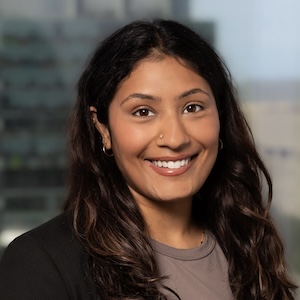
Project Title: Leveraging AI to Enhance Health Literacy and Social Support for Older Adult Newcomers
Saskatchewan Polytechnic
Anushka is completing an MPH specializing in Health Promotion at the University of Toronto. With expertise in health AI implementation, community-engaged research, and program evaluation, she is passionate about leveraging digital health solutions and policy to improve population health. Anushka has led interdisciplinary research teams, collaborated with global and local organizations, and presented insights to diverse audiences. Her interests include health equity, public health governance, and the intersection of AI and healthcare innovation. Anushka is working with the Centre of Health Research, Innovation and Scholarship at Saskatchewan Polytechnic.
Nauman Shakeel
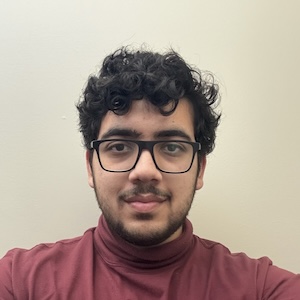
Project Title: Evaluating AI Scribes in Public Health Settings
Simcoe Muskoka District Health Unit (SMDHU)
Nauman is an MSc student in the School of Public Health Sciences at the University of Waterloo. He is working with the Simcoe Muskoka District Health Unit to evaluate the effectiveness and integration of AI scribes in public health contexts to support clinical documentation and efficiency.
Nirupama Tamvada
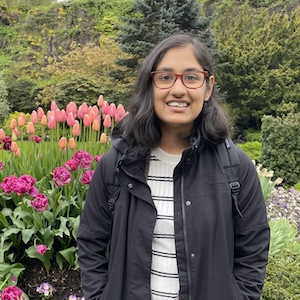
Project Title: AI Forecasting Models for Viral Diseases and Urban Accessibility
New Brunswick Institute for Research Data and Training
Nirupama is a Data Scientist at BC Cancer with a background in statistics, biology, and machine learning. She holds a Master’s in Statistics from UBC. Previously, she worked at the BC Centre for Disease Control, where she developed forecasting models for respiratory viruses and used graph neural networks to examine urban accessibility inequities. She is now working on public health AI solutions in New Brunswick.
Arash Yoosefdoost

Project Title: Evaluating LLM Tools for Clinical Data Extractiony
Institute for Clinical Evaluative Sciences (ICES)
Arash is a data scientist specializing in AI-driven solutions for public health, environment, and sustainability. With over five years of experience in industry, academia, research, and teaching, Arash has led projects on foodborne outbreak detection, environmental modeling, and productivity tools. He is passionate about bridging industry and academia to empower communities through responsible AI. Arash is working with ICES.epository.
2024
Rawan Abulibdeh

Project Title: AI Algorithms to Enhance the Completeness and Accuracy of Patient Medication Data.
The Ontario HIV Treatment Network.
Rawan is a PhD in Electrical and Computer Engineering. Rawan is working with The Ontario HIV Treatment Network to fill in the gaps in ARV and other medication regimen data collected through the OCS using machine learning techniques.
Renzo Jose Carlos Calderon Anyosa
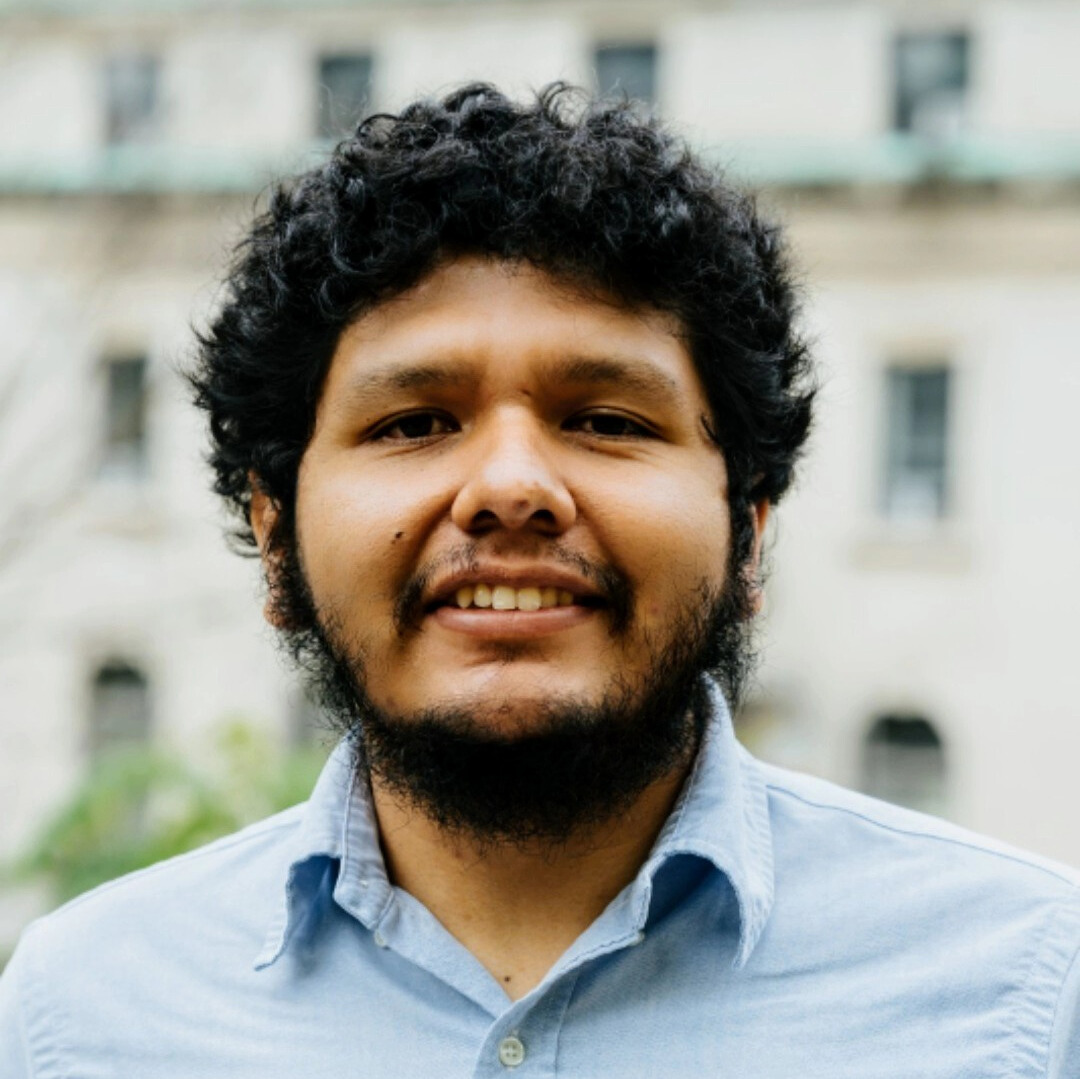
Project Title: Leveraging Machine Learning for Unexpressed Needs Discovery and Access to Social Support
Ontario 211 Services
Renzo, PhD, is working with Ontario 211 Services. Renzo is developing machine learning models to predict unexpressed needs, coupled with the creation of a recommender system to facilitate easy-access for individuals to essential social services and community support.
Ashley Girgis
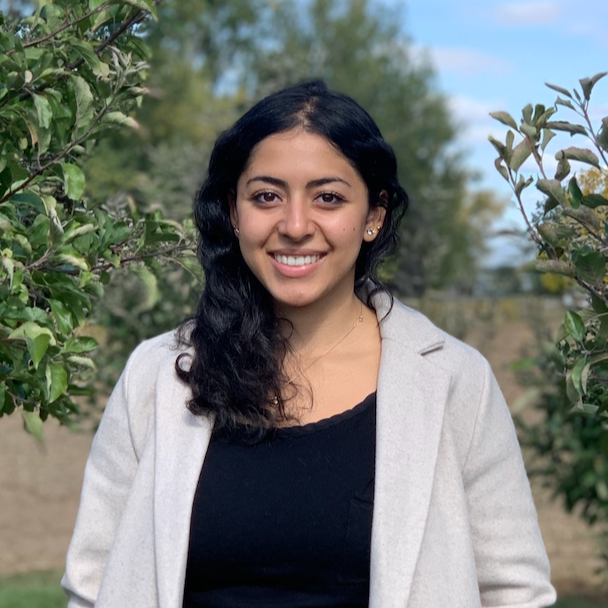
Project Title: Augmenting the Health Evidence™ Registry of quality appraised evidence syntheses on the effectiveness of public health interventions with AI assisted relevance screening, quality appraisal, and data extraction
National Collaborating Centre for Methods and Tools
Ashley has a Masters of Health Informatics from the University of Toronto. Ashley is working with the National Collaborating Centre for Methods and Tools (NCCMT) and is exploring the development, testing, and integration of machine learning (ML) and large language models (LLM) to streamline workflow processes within the evidence synthesis and research domain.
Nathan Lloyd

Project Title: Measurement and Assessment of Community Resilience
The Pamoja Institute
Nathan has a PhD in computer science. Nathan is working with the Pamoja Institute to discover and measure key indicators of community resilience for future use in fostering social capital.
Leslie Salgado Arzuaga

Project Title: AI4H in Media Coverage: Decoding the Symbolic Construction of AI4H in English-spoken Canadian News Media (2017- 2022)
Public Health Agency of Canada
Leslie’s doctoral research investigates the narratives of AI for Health (AI4H) in Canadian English-speaking news media from 2017 to 2022. By analyzing media portrayals, Leslie aims to enhance understanding of privileged voices, the main socio-technical controversies tackled, topics prevailing in the public sphere, and their interplay with the socio-political and economic context. Leslie is working with the Public Health Agency of Canada.
Konrad C Samsel
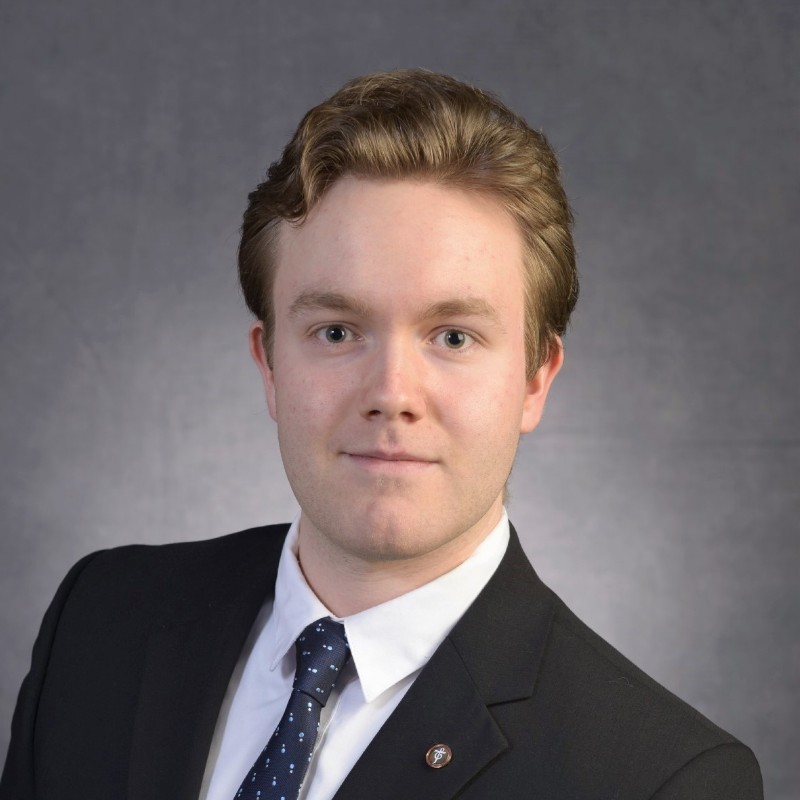
Project Title: Harnessing Natural Language Processing Models for Public Health Equity: Redefining Strategies for Addressing Diabetes Stigma and Gambling Addictions
HIVE Lab
Konrad is completing an MPH in Epidemiology with a Collaborative Specialization in Global Health (Class of 2024). Konrad is working with the Health Informatics, Visualization, and Equity (HIVE) Lab in the Institute of Health Policy, Management and Evaluation. Konrad’s project seeks to utilize natural language processing models to manage diabetes-related stigma and address gambling addictions within a Canadian public health context.
Abhi Sharma
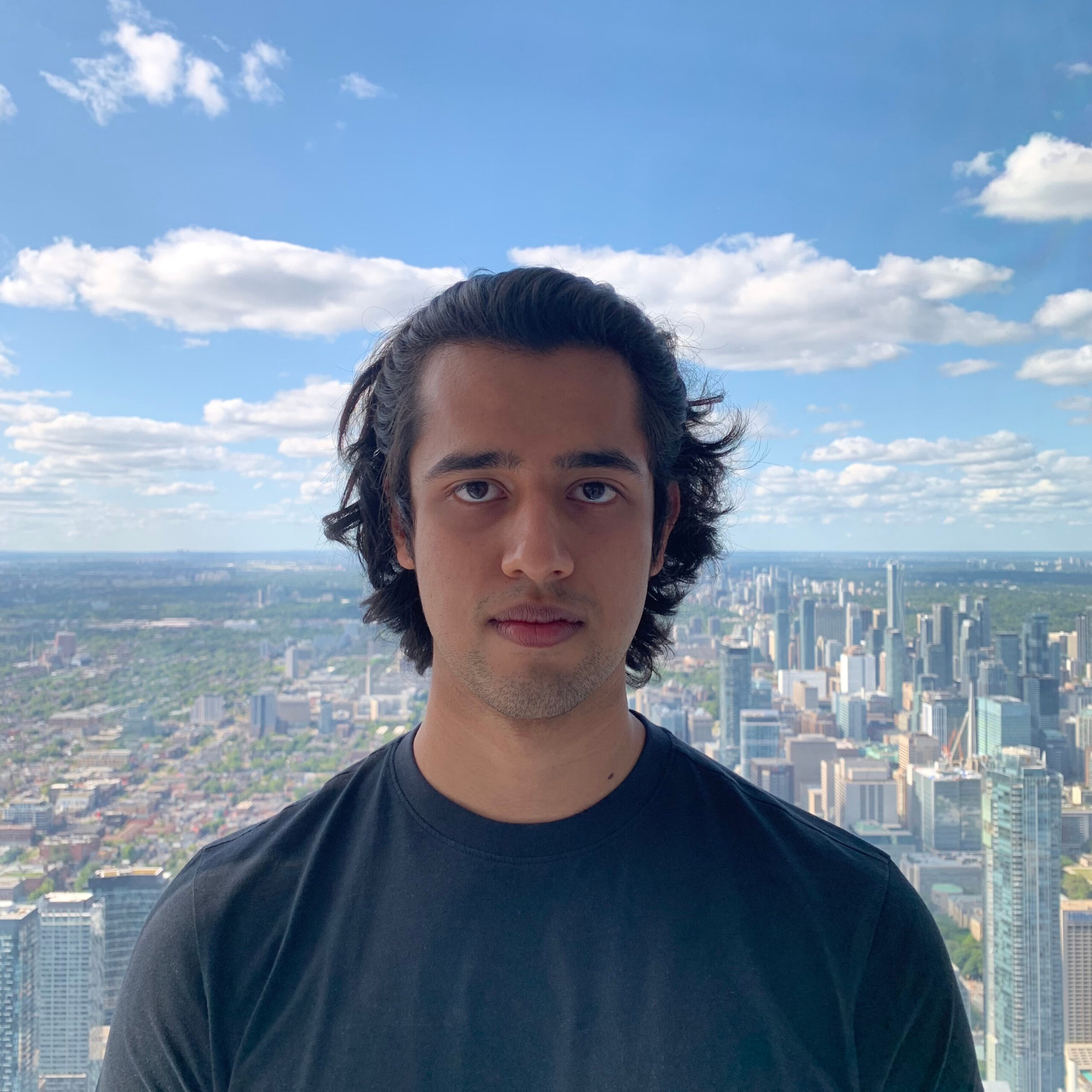
Project Title: AI for helping emergency health responses in Canada
Public Health Agency of Canada
Abhi Sharma is completing a computer engineering BASc at the University of Toronto (Class of 2025). Abhi is working with the Public Health Agency of Canada.
Adam Sorrenti

Project Title: Exploring AI-Driven Synthetic Data for Public Health in Manitoba
Government of Manitoba
Adam holds a Master of Science in Computer Science with a specialization in Artificial Intelligence. Adam is working with the Government of Manitoba’s Data Science Program to determine feasibility of using generative AI to produce synthetic data-driven models and insights for public health, with a strong focus on maintaining privacy, ensuring equity, and mitigating risk.
2023
Rahul Gupta
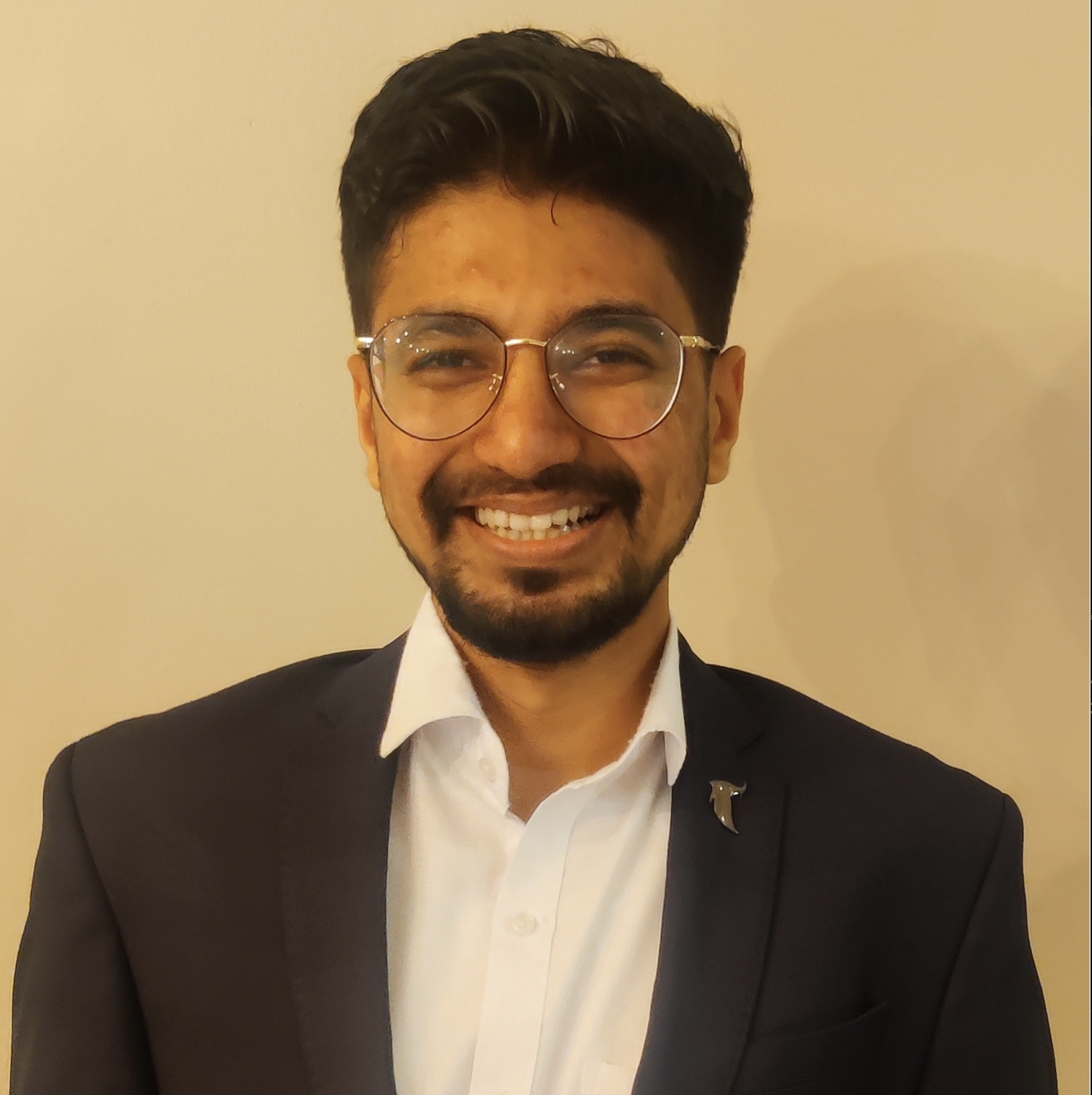
Rahul Gupta is a master’s student with an emphasis in Data Analytics at University of Toronto. He is a skilled data scientist and machine learning engineer with over 1 year of experience in collecting, analysing, and deploying various types of data and ML models. He has applied his skills in various research projects including the assessment and prediction of chemical processes, breast cancer prediction and various other areas, such as Financial, Medical, social media and many more. He is a confident communicator with strong critical thinking and time management skills. In his recent project, he will be focusing on the use of medical imaging in populations and the application of computational techniques to quantify the prevalence of disease.
Mobeen Lalani

Mobeen Lalani is a Master of Health Informatics graduate at the Institute of Health Policy, Management and Evaluation, University of Toronto. Mobeen has also completed a Certificate in Health Law, focusing on Artificial Intelligence, from the University of Ottawa. The focus of his project is to review and evaluate the use cases of mobile apps and data sovereignty practices in enhancing health equity and promotion during times of social unrest and conflict.
Shifaa Mian

Shifaa Mian is a recent graduate of the Master of Management in Artificial Intelligence program from Queen’s University’s Stephen J.R. Smith School of Business. She is a data analyst with expertise in data visualisation, machine learning, and predictive analytics. She will be working with Trillium Health Partners on a project to analyse population health data to quantify disease prevalence within a specific geographic area. Using her skills in data analysis and tools such as Python, and R, Shifaa will delve into the data to identify patterns and relationships that can shed light on disease prevalence in the area. Her goal is to use the insights gained from this analysis to support decision-making and improve public health outcomes in the region. With her ability to effectively communicate technical information to both technical and non-technical audiences, Shifaa is well-equipped to tackle this important and impactful project.
Mohammed Reza Moravej
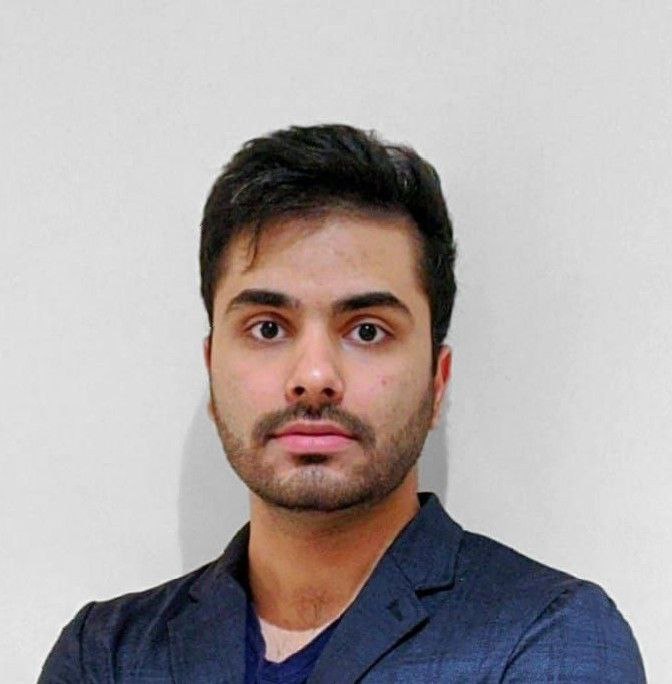
Reza is a MASc student in industrial engineering at the University of Toronto, where he works on utilizing machine learning algorithms to solve large scale discrete optimization problems. In collaboration with the staff of the hospital for sick children, he will be developing natural language processing models to help patients avoid common causes of disease and accidents.
Vishnu Priya Rajendran
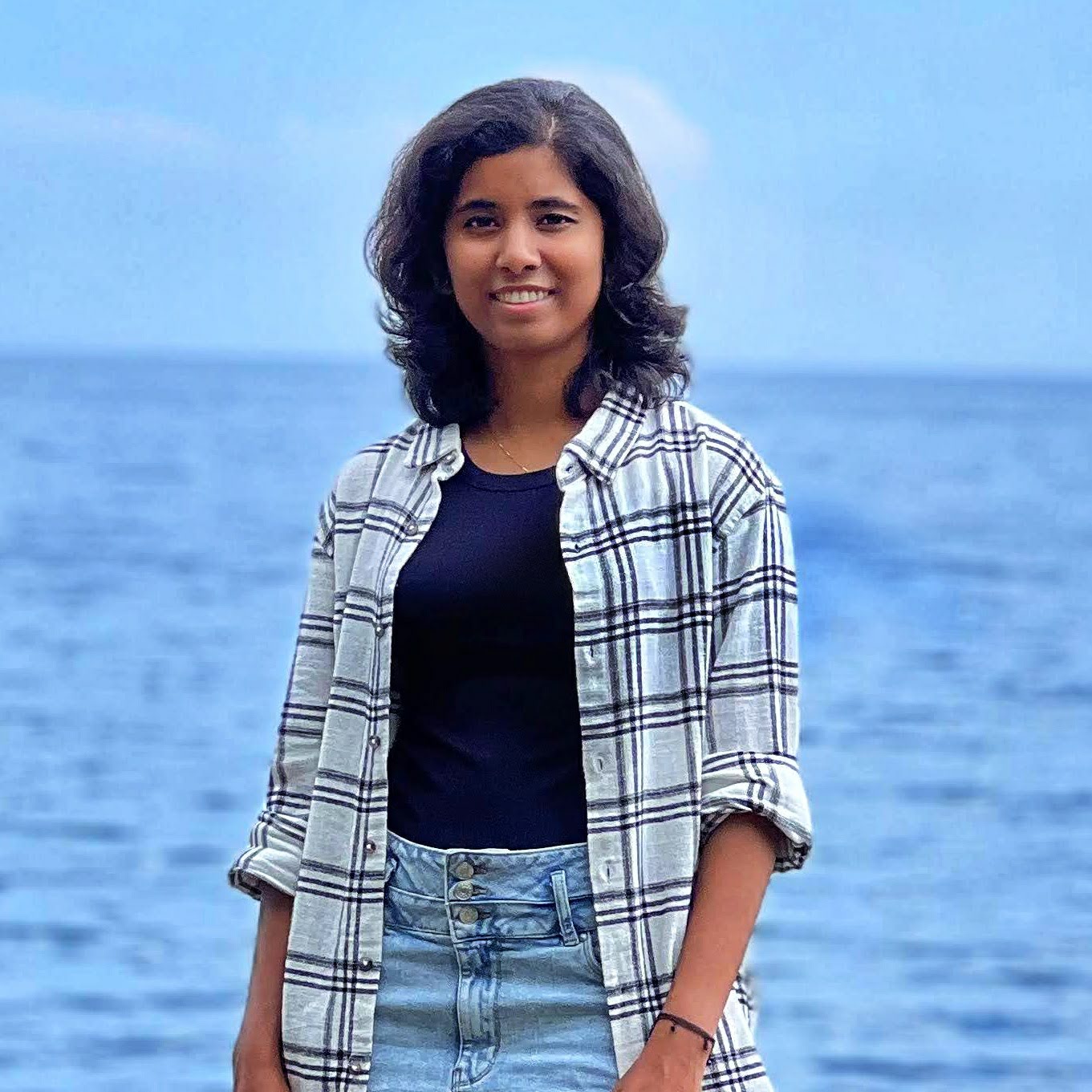
Vishnu Priya Rajendran is currently pursuing a MEng – Electrical and Computer Engineering at University of Toronto. She specializes in Analytics and Computer Engineering. Her main areas of focus are Machine learning and Cloud technologies. Some of her academic projects includes Stock price prediction Analysis, Neural Network Number Detector etc. She will be working this year as an intern at Statistics Canada and working on microsimulation projects for diseases like cancer, dementia, and diabetics. Her role will comprise of helping with open-source workflow as well as integrating pipelines with R and Python.
Behrad Taghibeyglou
Behrad Taghibeyglou is a Ph.D. candidate in biomedical engineering at the University of Toronto. He has a broad educational background, holding dual bachelor’s degrees in biomedical engineering and electrical engineering from Amirkabir University of Technology in Iran and a master’s degree in biomedical engineering from Sharif University of Technology. Behrad’s research focuses on the intersection of biomedical signal processing, machine learning, and computer vision to enhance health outcomes. His current Ph.D. thesis centers on developing digital technologies to monitor sleep in individuals from low socioeconomic status.
Copyright © 2022 Artificial Intelligence for Public Health